
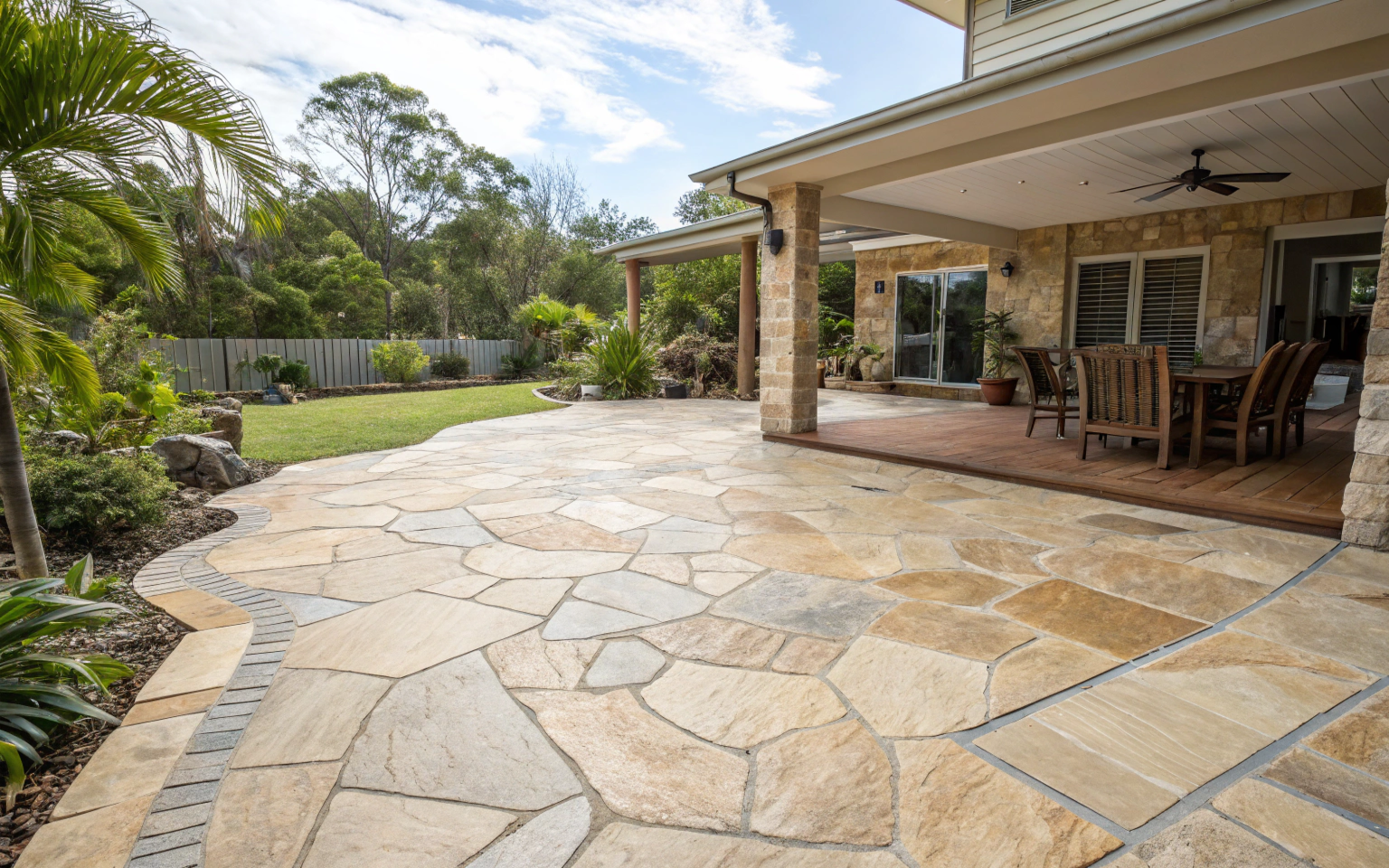
Concreters Cabarita Beach — Local Concrete Services
Cabarita Beach is a coastal village in Tweed Shire, NSW, located along the Tweed Coast between Hastings Point to the south and Bogangar to the north. The area comprises a mix of permanent residences, holiday homes, and newer coastal builds on sandy, well-drained soils that require careful subbase preparation before any concrete work begins.
Concrete services available to Cabarita Beach properties include:
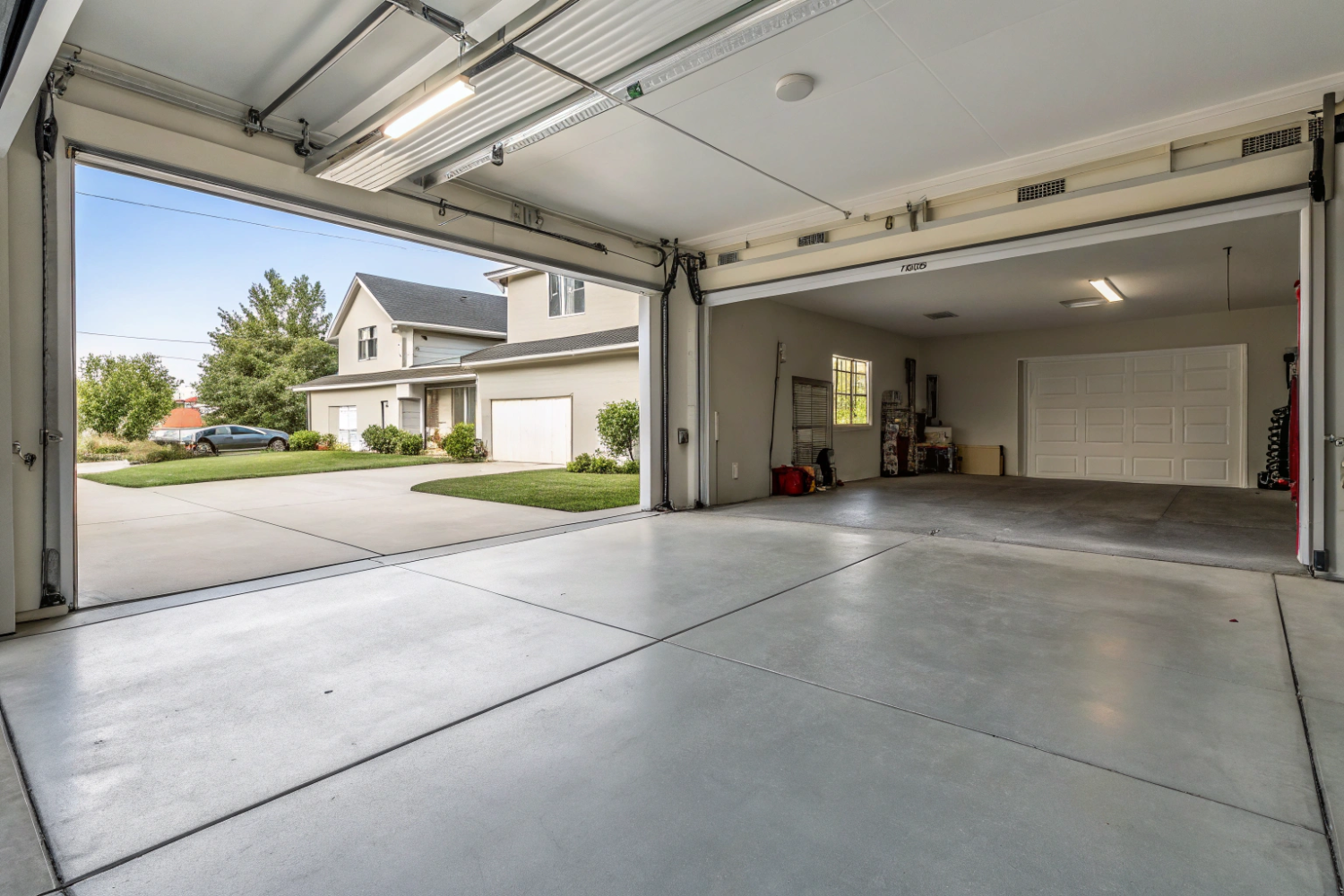
- Concrete driveways — new pours, extensions, and resurfacing
- Outdoor entertaining slabs — patios, alfresco areas, and pool surrounds
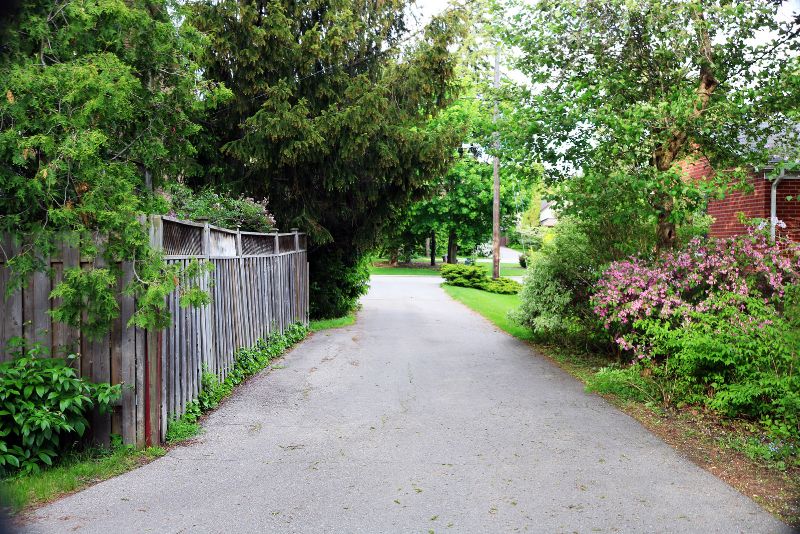
- Path and step work — front entries, side access, and garden paths
- Shed and garage slabs — residential and holiday property applications
- Concrete repairs — crack repair, levelling, and resealing
- Exposed aggregate and decorative finishes — suited to coastal architectural styles
- Coastal drainage solutions — integrated into slab and path design to manage stormwater runoff
Work is carried out across Cabarita Beach and surrounding Tweed Coast suburbs. Free on-site quotes are available throughout the area.

Cabarita Beach Properties Have Specific Concrete Requirements
Cabarita Beach is not a uniform residential suburb. The property mix here spans older holiday shacks that have been renovated and extended, newer coastal builds on compact blocks, larger permanent residences with established landscaping, and investment properties managed remotely by owners based in Brisbane or Sydney. Each of these property types generates different concrete requirements — and a concreter working in this village needs to understand those differences before arriving on site.
Holiday homes and investment properties typically prioritise durability and low maintenance over decorative complexity. Owners want surfaces that hold up between visits, drain correctly, and don’t require ongoing attention. Permanent residents, by contrast, are more likely to invest in decorative finishes — exposed aggregate driveways, honed patios, and coloured concrete pool surrounds — that reflect long-term pride of ownership and lifestyle aspiration. Newer coastal builds often require slab extensions or path completions as landscaping is finalised after handover. Understanding which category a project falls into shapes every recommendation made at the quoting stage.
Decorative Concrete Finishes That Suit the Cabarita Coastal Aesthetic
Cabarita Beach has a distinct architectural character — relaxed, natural, and oriented toward outdoor living. Concrete finishes chosen for this environment need to work with that aesthetic rather than against it. Decorative options that reference the natural tones of the coastline, and that perform under sustained UV exposure and salt air, are the standard expectation for any serious project here.
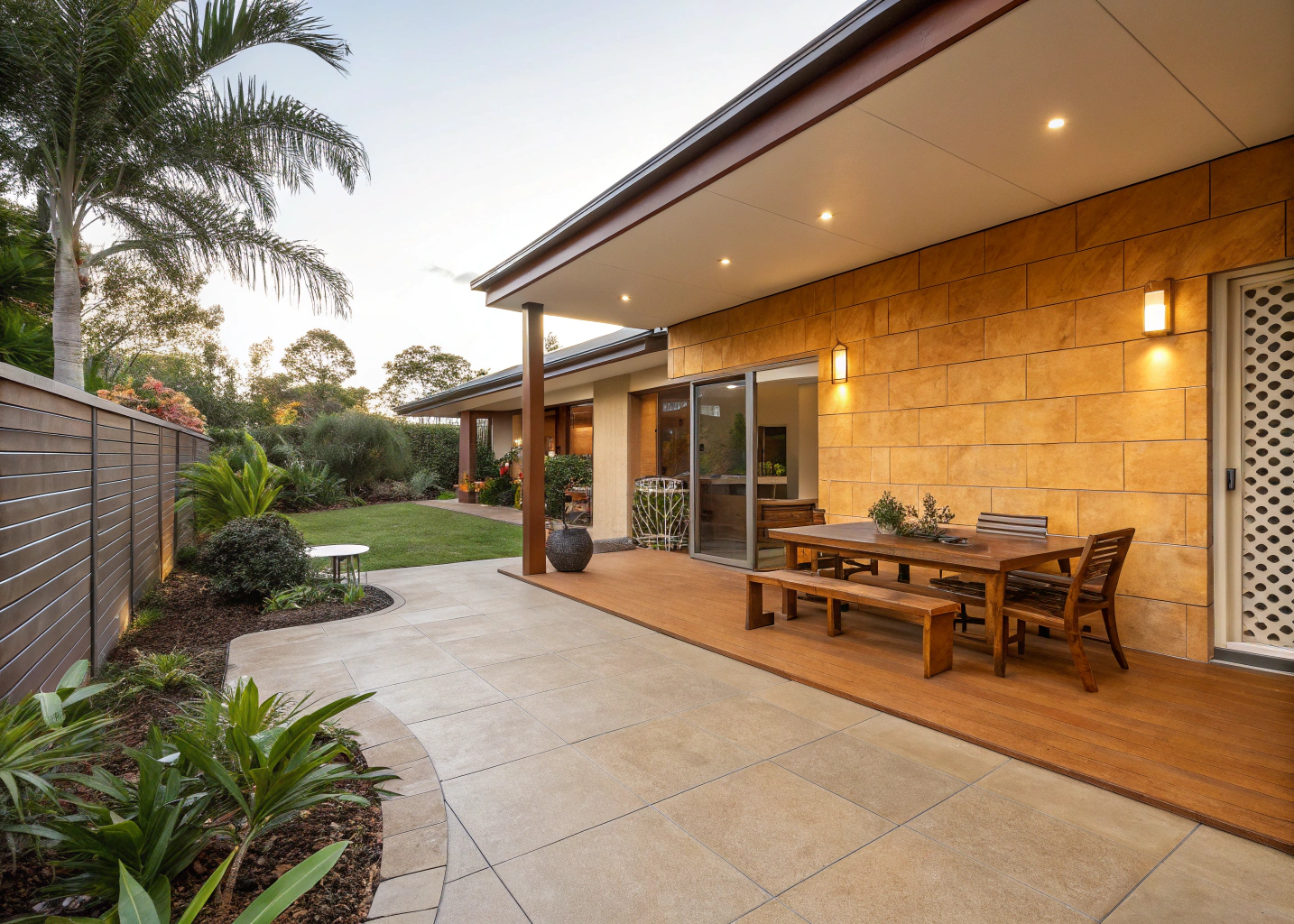
The two finishes most suited to Cabarita Beach conditions are exposed aggregate and honed coloured concrete. Both are durable in coastal climates, low maintenance over time, and visually appropriate for the mix of holiday homes and permanent residences that define the village.

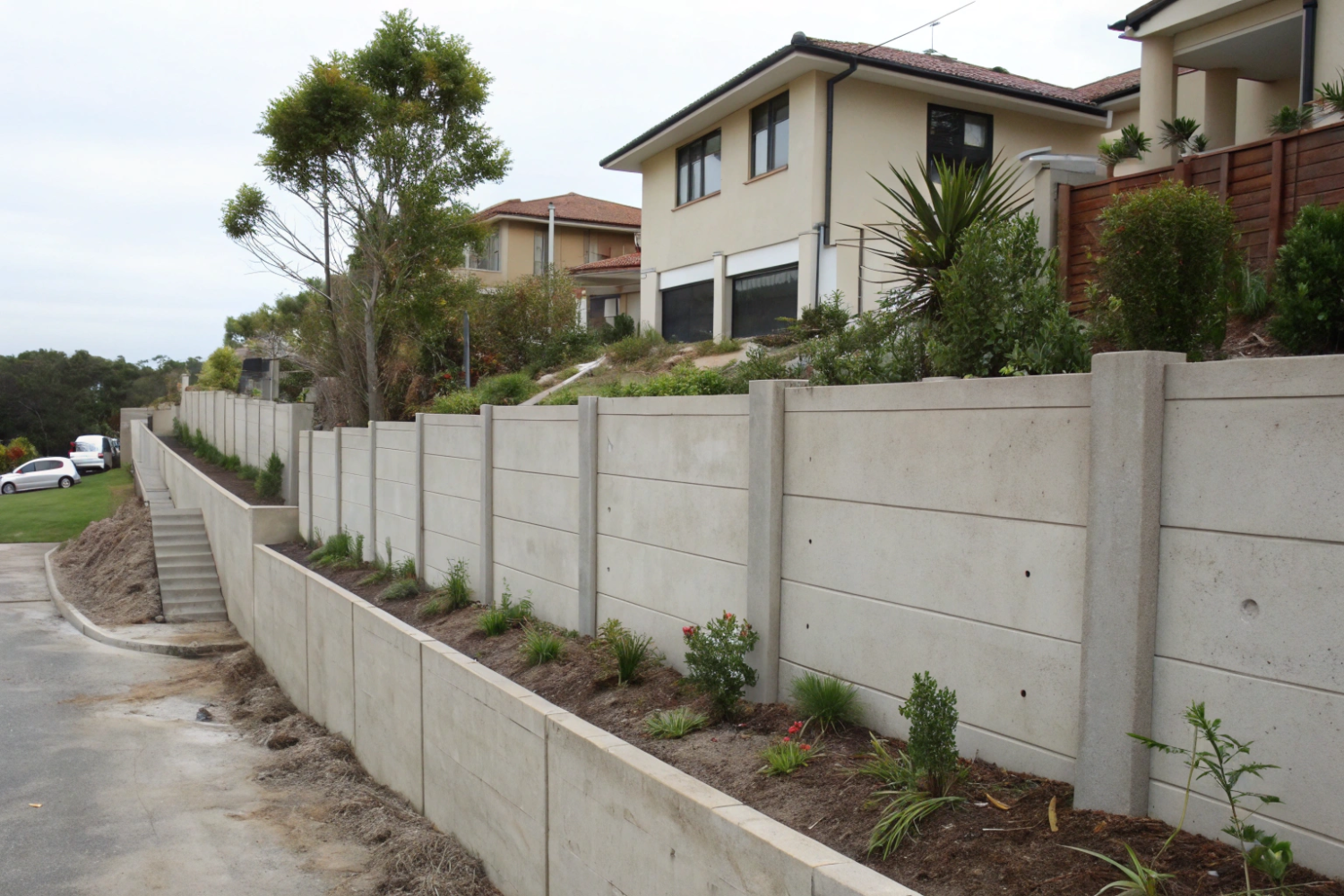
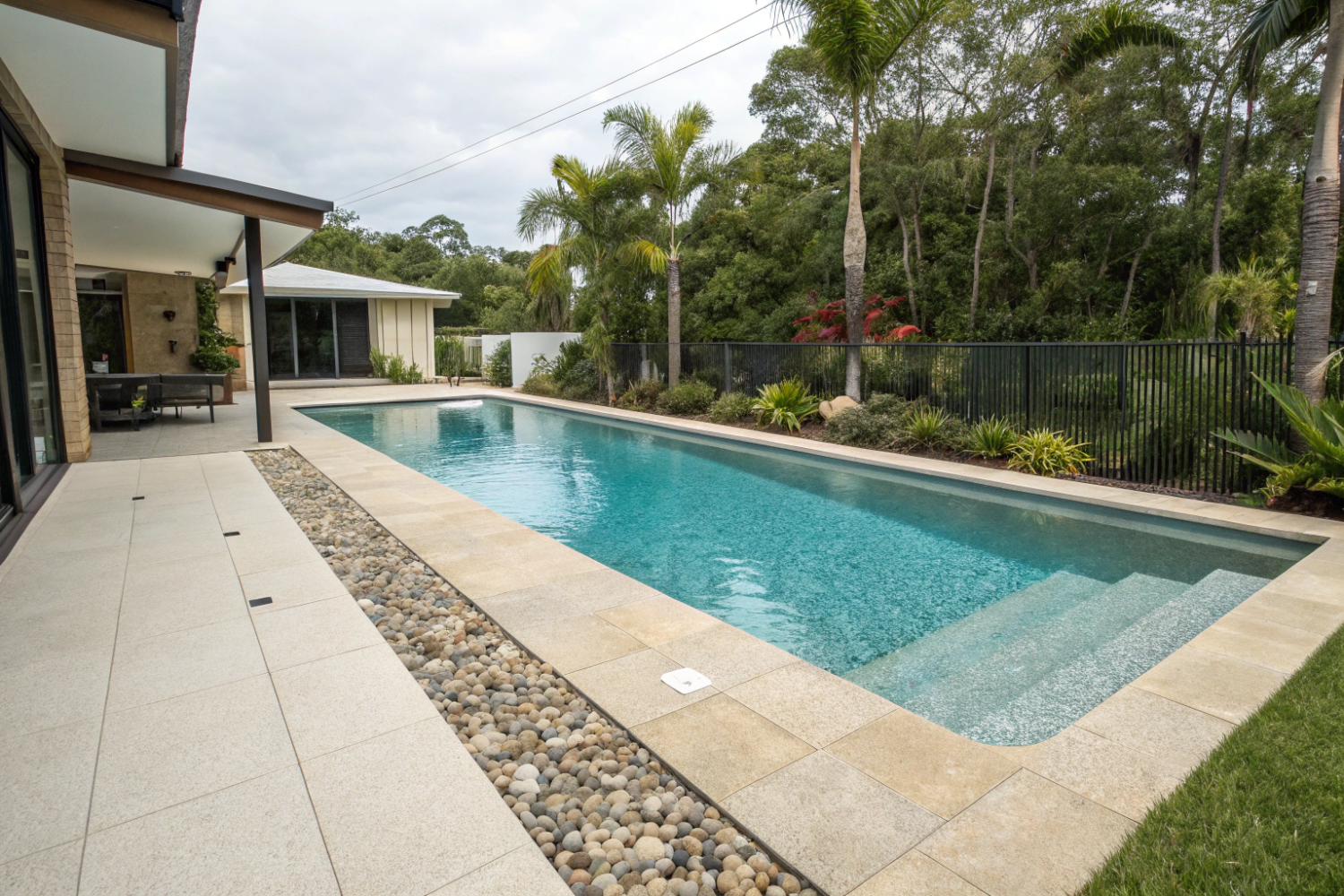

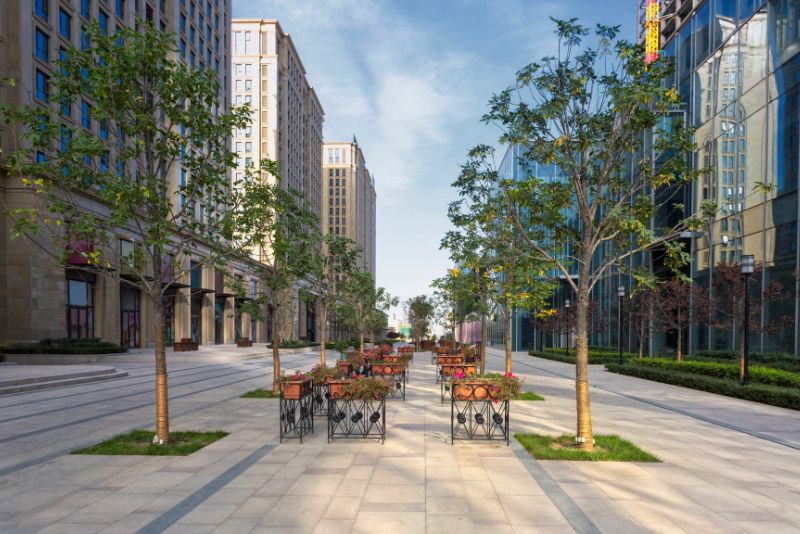
Exposed Aggregate for Outdoor Areas
Exposed aggregate is one of the most practical decorative finishes for Cabarita Beach outdoor spaces. The textured surface provides natural slip resistance around pool surrounds, entertaining slabs, and path work — critical in an environment where wet feet and afternoon rain are part of daily life. Aggregate blends featuring river pebbles, granite, or quartz in warm sandy tones complement the natural palette of the Cabarita Beach streetscape without competing with it.
Honed and Coloured Concrete for Patios and Pool Surrounds
Honed concrete delivers a smooth, refined surface finish that works particularly well on covered alfresco slabs and pool surrounds at Cabarita Beach properties. When combined with an integral colour — warm greys, sandstone tones, or muted coastal neutrals — the result is a surface that reads as intentional and architectural rather than utilitarian. For homeowners upgrading holiday properties or preparing a permanent residence for long-term enjoyment, honed coloured concrete offers a finish that holds its appearance across the coastal climate.
Drainage and Stormwater Planning in Coastal Slab Work
Drainage is one of the most consequential decisions in any concrete project at Cabarita Beach, and one of the most frequently underestimated. The Tweed Coast receives significant rainfall during summer storm events, and sandy coastal soils — while free-draining by nature — can shift and erode beneath poorly designed slabs when water is not directed away from the structure correctly. A slab laid without adequate fall, channelling, or perimeter drainage will pool water, undermine its own subbase, and deteriorate from beneath long before the surface shows wear.
Effective stormwater planning at Cabarita Beach begins at the design stage, not as an afterthought once the form is set. Slab fall, ag drain placement, strip drain integration, and connection to existing site drainage are all factored into the concrete layout before a single cubic metre is poured. For holiday properties that sit unoccupied for extended periods, this planning carries additional weight — drainage problems left unattended between visits compound quickly in a coastal climate.
Concrete Resurfacing as an Alternative to Full Replacement
Not every deteriorated concrete surface at Cabarita Beach requires a full demolition and repour. Where the existing slab or driveway retains structural integrity — no significant cracking, no subsidence, no compromised subbase — concrete resurfacing offers a cost-effective path to a renewed surface without the time and expense of starting from scratch.
Resurfacing involves the application of a polymer-modified overlay bonded directly to the prepared existing concrete. The result is a fresh, even surface that can be finished in exposed aggregate, stencilled, or plain texture depending on the homeowner’s preference. For Cabarita Beach holiday properties where the existing concrete is sound but visually tired — sun-bleached, stained, or surface-crazed from years of coastal UV exposure — resurfacing delivers a meaningful aesthetic upgrade at a fraction of full replacement cost.
A condition assessment at the quoting stage determines whether resurfacing is a viable option for a given surface.
Working Around Holiday Home Schedules and Seasonal Access
Cabarita Beach has a significant holiday home population, and coordinating concrete work around owner visits, tenant bookings, and peak seasonal periods requires a different approach to scheduling than a standard residential project. Several practical considerations apply:
- Access windows matter. Concrete work requires unobstructed site access for equipment, formwork, and the pour itself — typically across two to three consecutive days minimum.
- Avoid peak summer booking periods. The Christmas and Easter windows see high holiday occupancy across Cabarita Beach. Scheduling concrete work outside these periods reduces disruption and allows adequate curing time before the property is in use again.
- Curing cannot be rushed. Freshly poured concrete needs time to reach working strength before foot or vehicle traffic is permitted — a critical consideration for investment properties with back-to-back bookings.
Clear communication between the homeowner, property manager, and concreter at the quoting stage ensures the project timeline is realistic before work begins.
Coastal Conditions Shape Every Concrete Decision at Cabarita Beach
Cabarita Beach sits directly on the Tweed Coast, and that position has real consequences for concrete longevity. The environmental conditions here are more demanding than those found even a few kilometres inland — and every specification decision, from mix design to finishing method, needs to account for them.
Salt Air, UV Exposure, and What They Do to Concrete Over Time
Salt-laden air accelerates the corrosion of steel reinforcement embedded within concrete slabs and driveways. Combined with the high UV intensity of the northern NSW coast, surface degradation — crazing, fading, and spalling — occurs faster than homeowners typically anticipate. Correct mix strength, adequate cover over reinforcement, and post-pour sealing are the primary defences against premature deterioration in this environment.
Why Sandy Soil Preparation Is Non-Negotiable on the Tweed Coast
Sandy coastal soils provide poor natural load-bearing capacity on their own. Without adequate compaction, the addition of road base material, and correct subgrade preparation, slabs are vulnerable to settlement and cracking from beneath. Thorough subbase work at Cabarita Beach is not optional — it is the foundation on which surface longevity depends.
Frequently Asked Questions
Yes. Sandy coastal soils have low natural load-bearing capacity and require thorough compaction and subbase preparation before any slab or driveway is poured. Skipping this step is the most common cause of premature cracking and settlement in coastal concrete projects.
Resurfacing is suitable where the existing slab retains structural integrity — no subsidence, no deep cracking, and a sound subbase. A condition assessment at the quoting stage determines viability. Sun-bleached or surface-crazed driveways common in coastal areas are typically good resurfacing candidates.
Exposed aggregate and honed concrete are the most practical choices for pool surrounds in this environment. Both offer slip resistance, handle sustained UV exposure well, and are available in tones that complement the natural coastal palette common to Cabarita Beach properties.
Salt air accelerates corrosion of steel reinforcement embedded within concrete. Over time this causes internal pressure that leads to spalling and surface cracking. Correct mix design, adequate reinforcement cover, and post-pour sealing are the primary protective measures for concrete in this coastal environment.
The combination of salt air corrosion, high UV intensity, thermal expansion from warm summers, and ground movement caused by wet-dry soil cycling all accelerate concrete deterioration on the Tweed Coast. Correct mix specification and sealing at installation significantly reduce the rate of surface and structural degradation.
