
What Goes Into a Concrete Retaining Wall Build
Site assessment comes first on every retaining wall project we take on. We assess the slope, the soil classification, the volume of material being retained, and what’s sitting above the wall — whether that’s a lawn, a driveway, a structure, or a combination. That assessment drives every decision that follows.
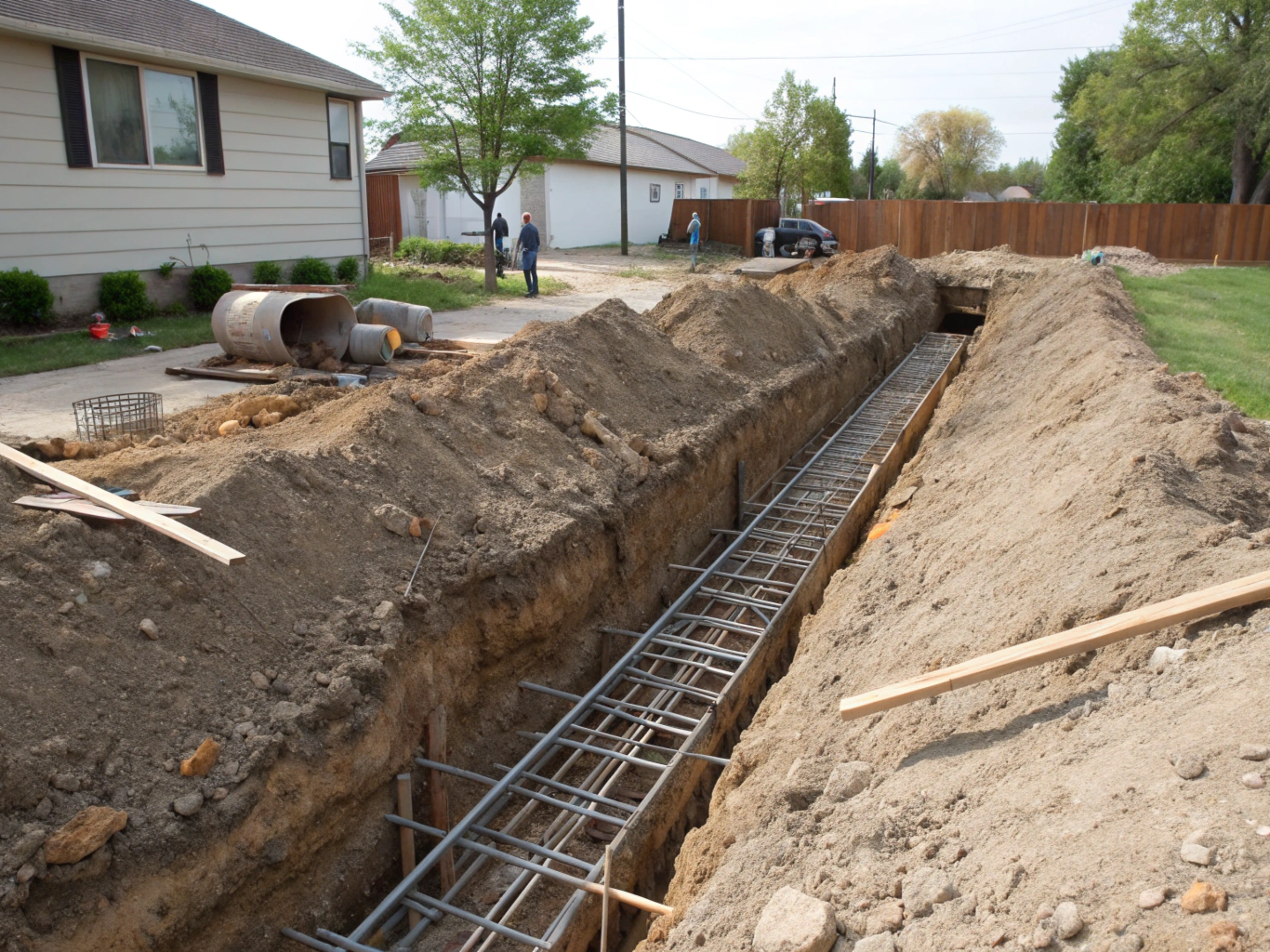
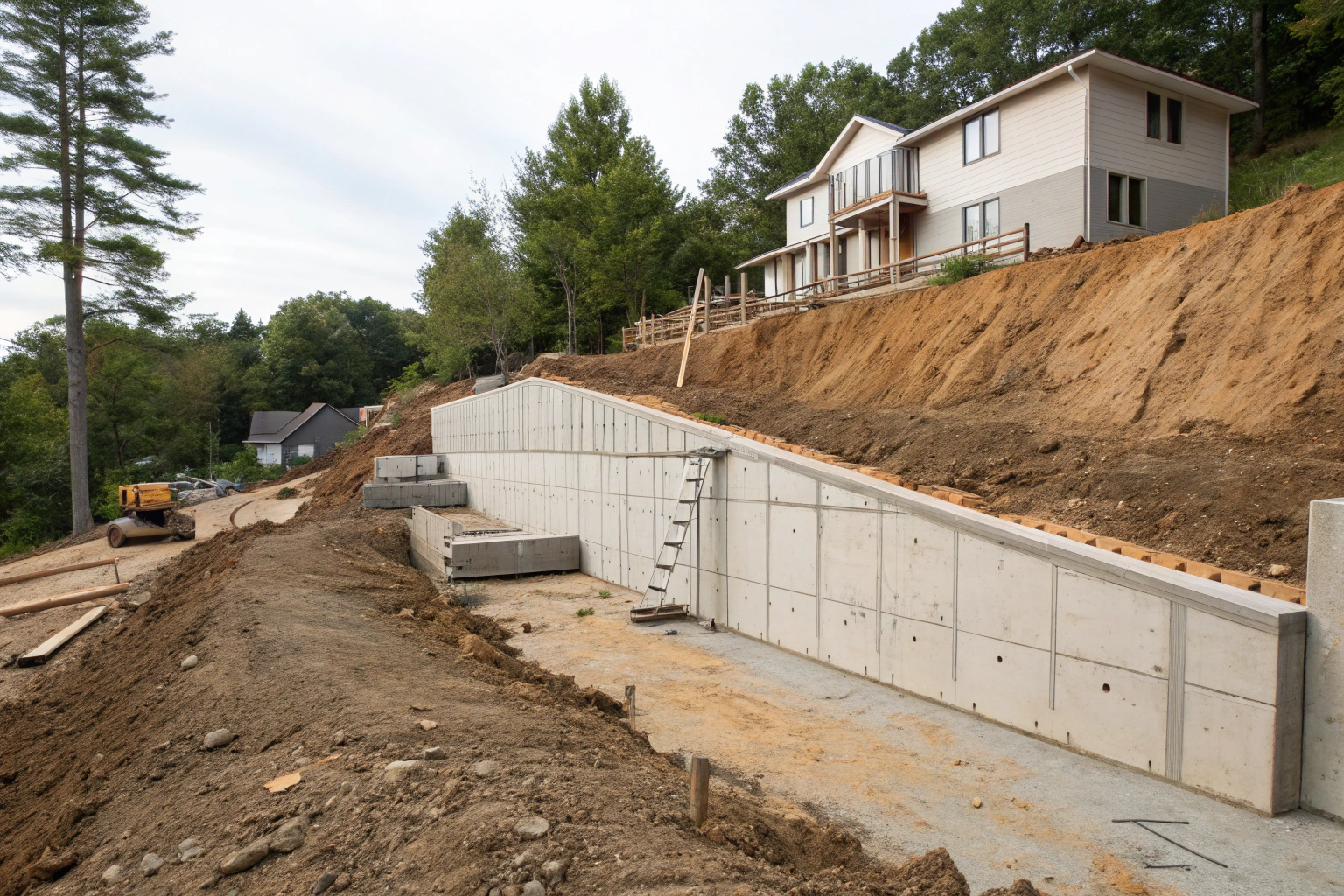
From there, we move into excavation and footing construction. The footing is what anchors the wall against overturning and sliding — get this wrong and nothing else matters. We excavate to the specified depth, form and pour the footing to the engineering dimensions, and set the vertical reinforcement bars in position before the footing concrete cures. Formwork is then constructed to the wall’s specified height, width, and face profile, with horizontal ties placed to the structural specification before the wall pour.
Drainage goes in as the backfill is placed — agricultural drain pipe, gravel backfill zones, and weep holes positioned to relieve hydrostatic pressure before it builds behind the wall. This isn’t a finishing step. It’s a structural requirement, built into the wall from the ground up.

Quote to Completion, Focused on You
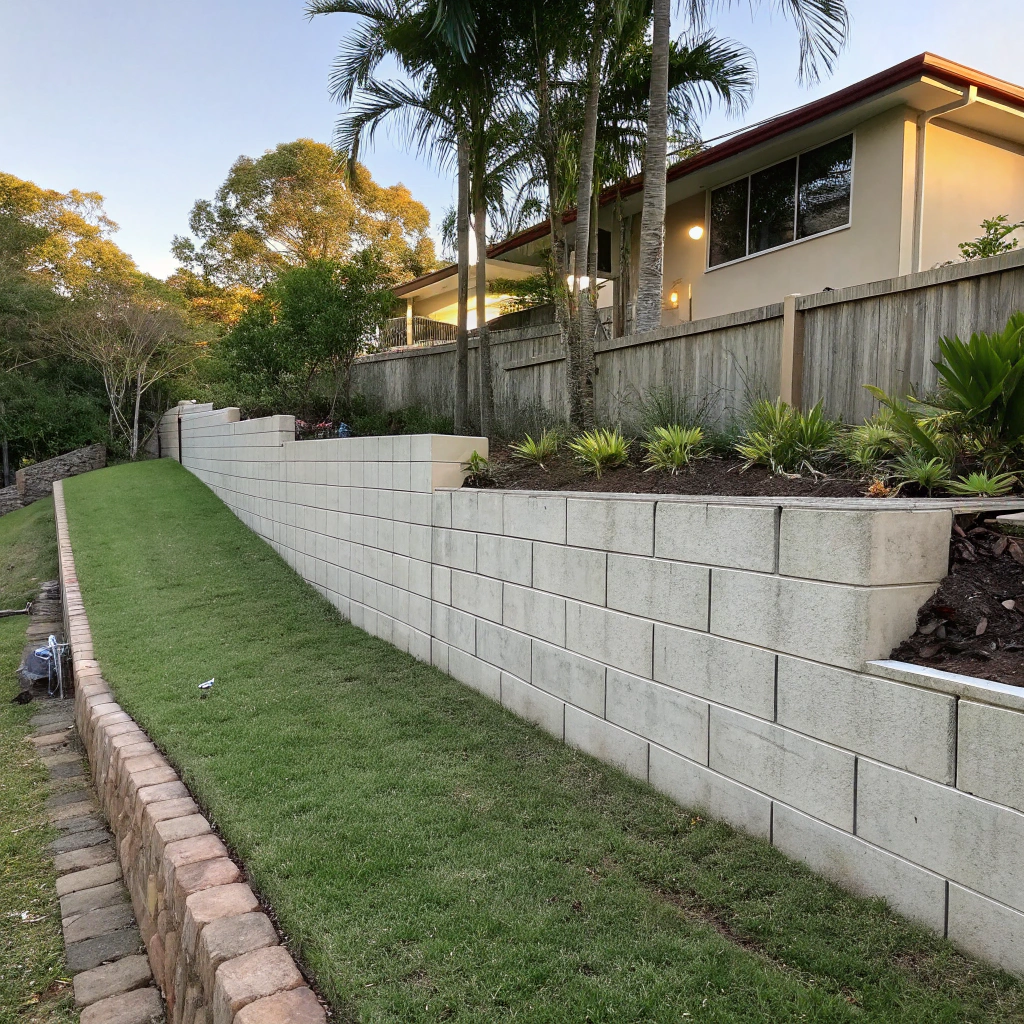
Every concrete retaining wall project we take on starts with a free site assessment — we come out, walk the site, look at the slope, the soil, and what’s above and below the retained face, and give you a clear, itemised quote before any work begins. No vague ballpark figures. No surprises when the invoice arrives.
From that first visit through to final backfill and cleanup, we manage the full build. Engineering documentation, council approval assistance where required, excavation, formwork, steel placement, the concrete pour, drainage installation, and compacted backfill — all handled by our crew, on your timeline. We keep you informed at each stage so you always know where the project is up to and what’s coming next.
We work across Tweed Heads, Banora Point, Tweed Heads West, Kingscliff, Chinderah, Murwillumbah, and the Gold Coast border corridor — and we treat every job, regardless of scale, with the same standard of care.
Retaining Wall Heights and Compliance Thresholds
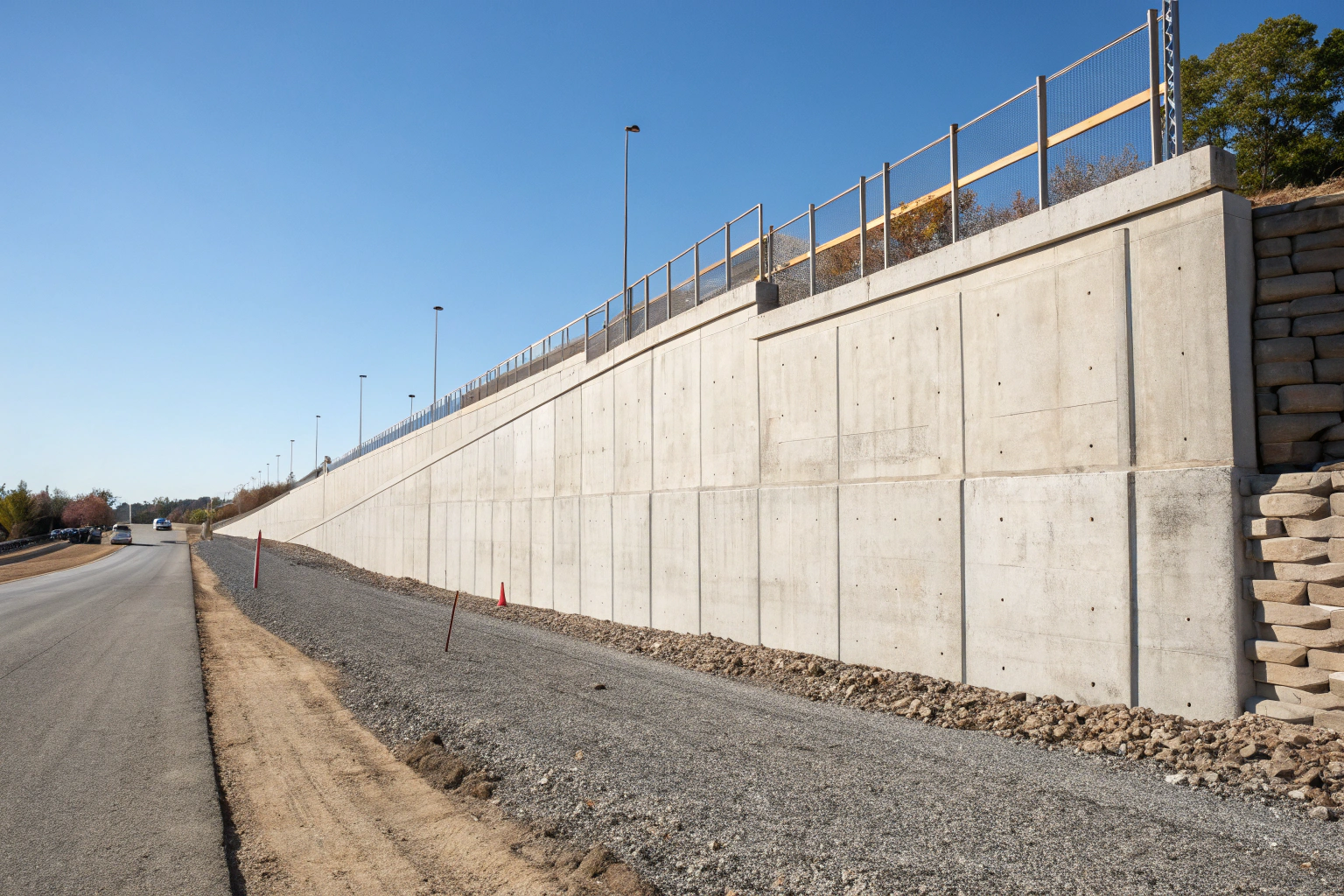
Wall height is the primary driver of structural complexity and regulatory requirements on any retaining wall project. In most residential zones across both New South Wales and Queensland, retaining walls up to one metre in height fall within self-assessable limits — meaning they can generally be constructed without formal building approval, provided they meet the relevant setback and construction requirements under the applicable planning code. Once a wall exceeds that threshold, the regulatory picture changes considerably.
Walls above one metre typically require building approval and, in many cases, structural engineering certification before construction can begin. On sites where a wall exceeds 1.5 metres, or where a wall of any height sits in proximity to a boundary, a structure, or a surcharge load such as a driveway or vehicle path, structural engineering documentation is almost always required regardless of the nominal height trigger. The certifier will require evidence that the wall has been designed to resist the full range of loads acting on it.
Getting this wrong at the planning stage creates delays, stop-work orders, and costly redesigns. We identify the compliance pathway for your wall before a single mark is made on the ground.
Common Applications for Concrete Retaining Walls
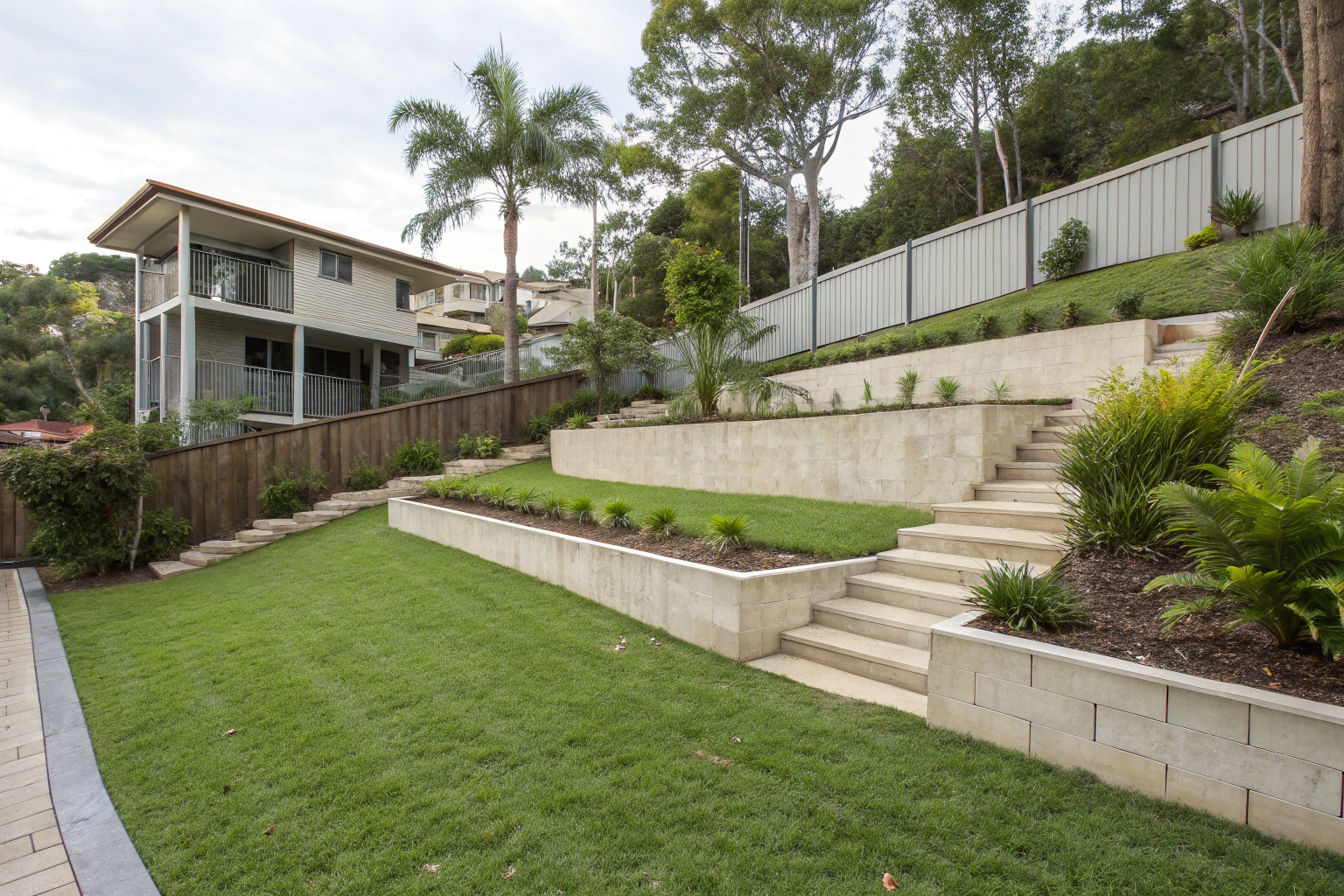
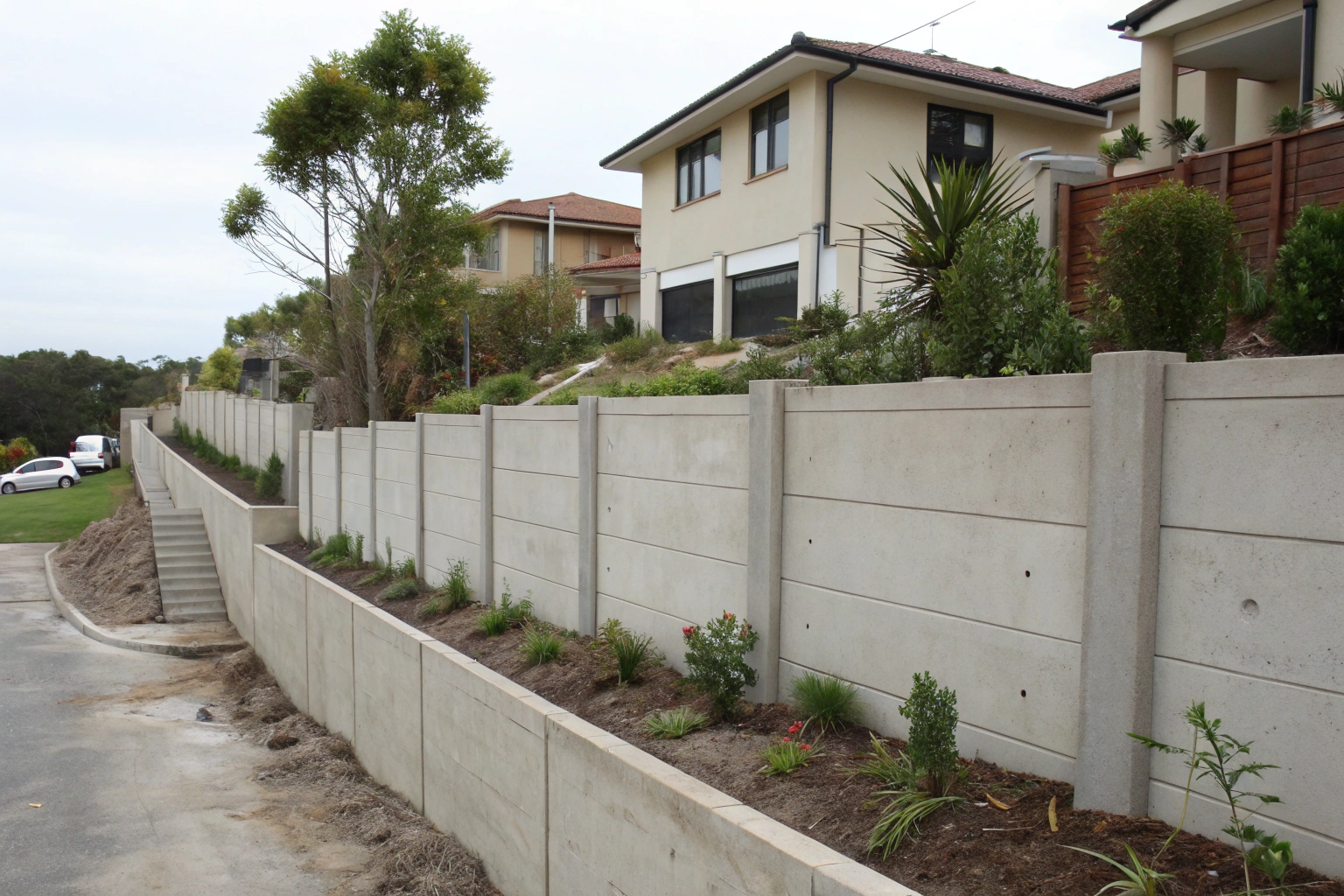
- Sloped residential blocks — tiering uneven backyards into flat, usable lawn and garden areas across Tweed Heads, Banora Point, and Terranora
- Driveway and access retention — holding back cut slopes alongside driveways on sloped residential sites where the driveway sits below natural ground level
- Building platform support — retaining cut-and-fill faces on new home construction sites to create level building pads across sloped lots
- Pool and entertaining area edges — creating defined, structurally stable edges around pool surrounds, alfresco areas, and outdoor entertaining spaces
- Commercial and development sites — managing significant grade changes across larger development sites, carparks, and mixed-use properties throughout the Tweed region
- Boundary and property separation walls — retaining differential ground levels between neighbouring properties where one lot sits higher than the adjacent title
Reinforcement and Concrete Mix Specification
| Reinforcement Placement | Concrete Mix Specification |
|---|---|
| Vertical bars are set into the footing at specified centres and run the full wall height. Horizontal ties are placed according to the engineering specification throughout. Correct concrete cover to steel is maintained across the full pour — this is a durability requirement in the Tweed coastal environment. All reinforcement is checked against structural drawings before formwork is closed and the pour begins. | Mix strength is selected according to the structural and environmental demands of the specific wall — typically N32 or N40 for retaining applications. Exposure classification is applied based on proximity to the coast, soil conditions, and groundwater contact. Concrete is placed and compacted to eliminate voids around the reinforcement cage, and curing time is respected before any backfill loading is applied to the finished wall. |
Drainage Behind Retaining Walls — Why It’s Non-Negotiable
Drainage is the single most common point of failure in retaining walls built without adequate professional oversight — and it’s entirely preventable. When water saturates the soil behind a retaining wall and has no controlled path to escape, hydrostatic pressure builds against the retained face. That pressure adds enormous lateral load to the wall — a load that was never accounted for in the original design. The wall deflects, cracks, and eventually fails. The damage it causes on the way down is almost always worse than the cost of building it correctly in the first place.
Every concrete retaining wall we build includes a properly designed drainage system installed as the backfill is placed — not as an afterthought. Agricultural drain pipe is laid at the base of the wall behind the footing, surrounded by a gravel backfill zone that allows water to move freely toward the drain. Weep holes are positioned through the wall face at regular intervals to provide a secondary relief path for any pressure that builds between drain cleanings. In the Tweed Heads subtropical environment — where summer rainfall events are heavy, and the ground can go from dry to fully saturated in hours — getting drainage right isn’t optional. It’s what keeps the wall standing.
Excavation, Footings and Formwork
Excavation sets the standard for everything that follows. We dig to the specified depth and width for the footing — accounting for the soil classification, the wall height, and the loads acting above the retained face. On sloped sites across Tweed Heads and the broader region, this stage also involves managing the excavated material safely and preparing a clean, stable base for the footing pour.
The footing is what anchors the wall against overturning and sliding. Key requirements at this stage include:
- Footing dimensions were constructed according to the engineering specification
- The base is prepared and compacted before any concrete is placed
- Vertical reinforcement bars set at the correct centres and tied securely before the pour
- Footing concrete is cured to adequate strength before wall construction proceeds
Formwork is constructed once the footing is set. We build to the wall’s specified height, width, and face profile — whether that’s a vertical face or a battered profile — with horizontal ties placed to the structural specification throughout. Formwork is checked for alignment and bracing before the wall pour begins. A wall that’s formed accurately is a wall that performs accurately.
Frequently Asked Questions
Walls up to one metre generally fall within self-assessable limits, but approval requirements vary by zone, proximity to boundaries, and surcharge loads. We assess your specific site and identify the correct approval pathway before any work begins.
Footing depth depends on wall height, soil classification, and the loads acting above the retained face. Taller walls and sites with poor soil bearing capacity require deeper, wider footings to resist overturning and sliding forces acting against the wall.
A retaining wall is an engineered structure designed to resist lateral earth pressure, hydrostatic pressure, and surcharge loading. A garden wall is non-structural. Treating a structural retaining application as a garden wall is one of the most common — and costly — mistakes on residential projects.
Without adequate drainage, water saturates the retained soil, and hydrostatic pressure builds against the wall face. That pressure adds significant lateral load beyond the wall’s design capacity. Drainage failure is the single most common cause of retaining wall collapse on residential properties.
All structural concrete retaining walls require steel reinforcement. Vertical bars anchored into the footing resist overturning forces, while horizontal ties maintain structural integrity across the wall face. Unreinforced concrete walls are not suitable for structural retaining applications regardless of wall height.
Get a Free Quote on Your Retaining Wall Project
Concrete retaining walls built correctly the first time protect your property, your neighbours, and everyone who uses the site above the retained face. Whether you’re tiering a sloped residential block, retaining a driveway, supporting a building platform, or managing a grade change on a commercial site — we bring the structural knowledge, local compliance experience, and hands-on construction capability to get it done right.
We service Tweed Heads, Banora Point, Tweed Heads West, Kingscliff, Chinderah, Murwillumbah, and the Gold Coast border corridor. Call us today or request a free site assessment and quote online.
