
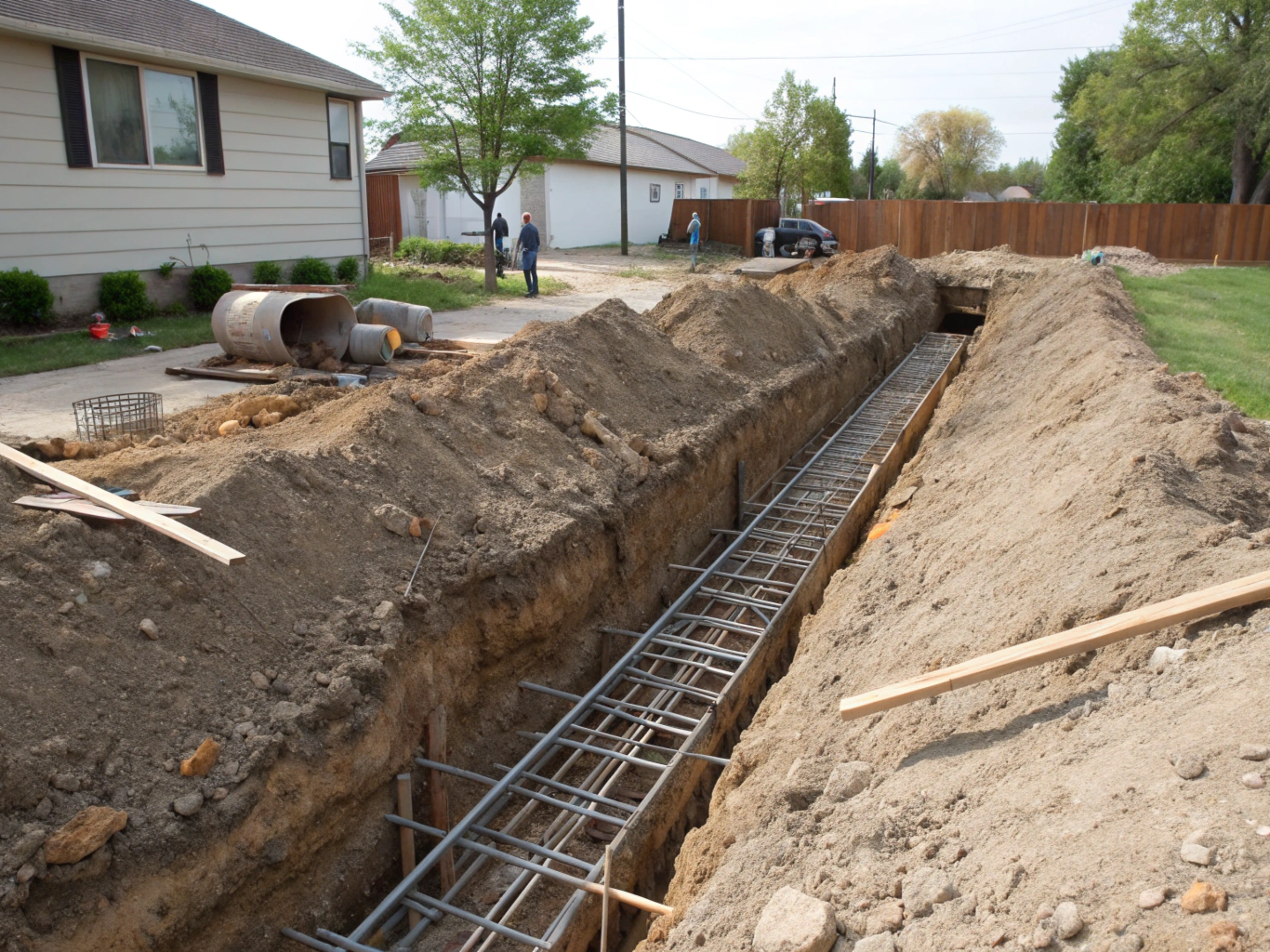
What Are Concrete Footings and Why Do They Matter
Concrete footings are the structural elements that transfer the load of a building down into the ground. Every wall, column, post, and slab above ground level ultimately rests on a footing — and the footing’s job is to spread that load across enough bearing area that the soil beneath it doesn’t move, compress unevenly, or fail under the weight it’s carrying.
What makes footings different from most other concrete work is that they’re permanently invisible once construction proceeds. A cracked driveway or an uneven path is obvious the moment you look at it. A footing that’s undersized, poorly reinforced, or bearing on the wrong material is hidden from view — but its deficiencies transfer directly into the structure above through cracking, differential settlement, and in serious cases, structural failure that’s expensive and disruptive to remediate.
Getting the footing specification and construction right the first time isn’t just good practice — it’s the single most consequential decision made on any building project. Everything built above ground depends on it.

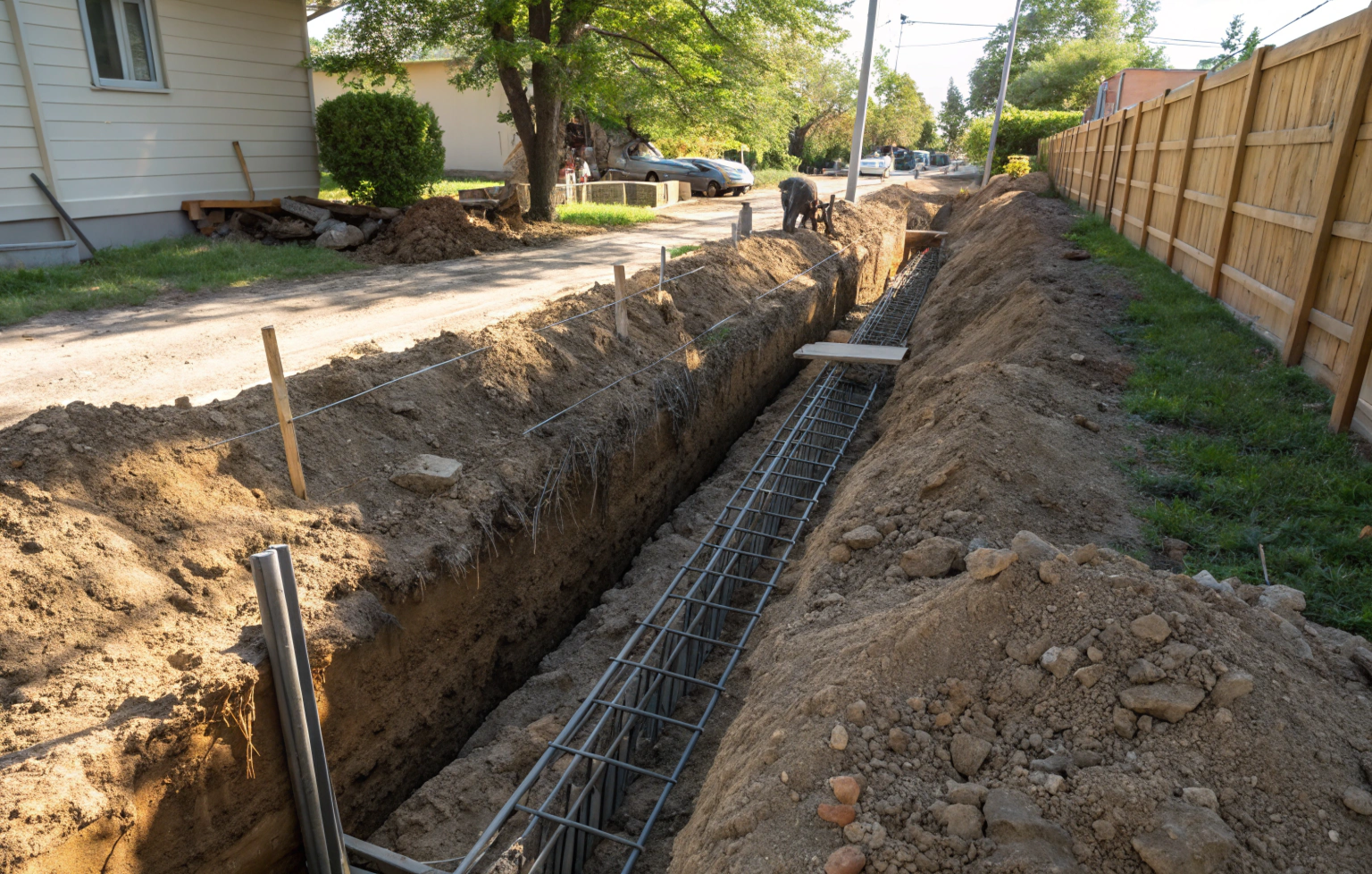
Strip Footings and Pad Footings
Strip footings run continuously beneath load-bearing walls, distributing weight evenly along their length. Pad footings support isolated columns and posts, concentrating load transfer at specific points. Both are standard across residential and commercial construction in Tweed Heads — and both require accurate excavation, correct reinforcement placement, and concrete specified to the structural engineer’s documentation.
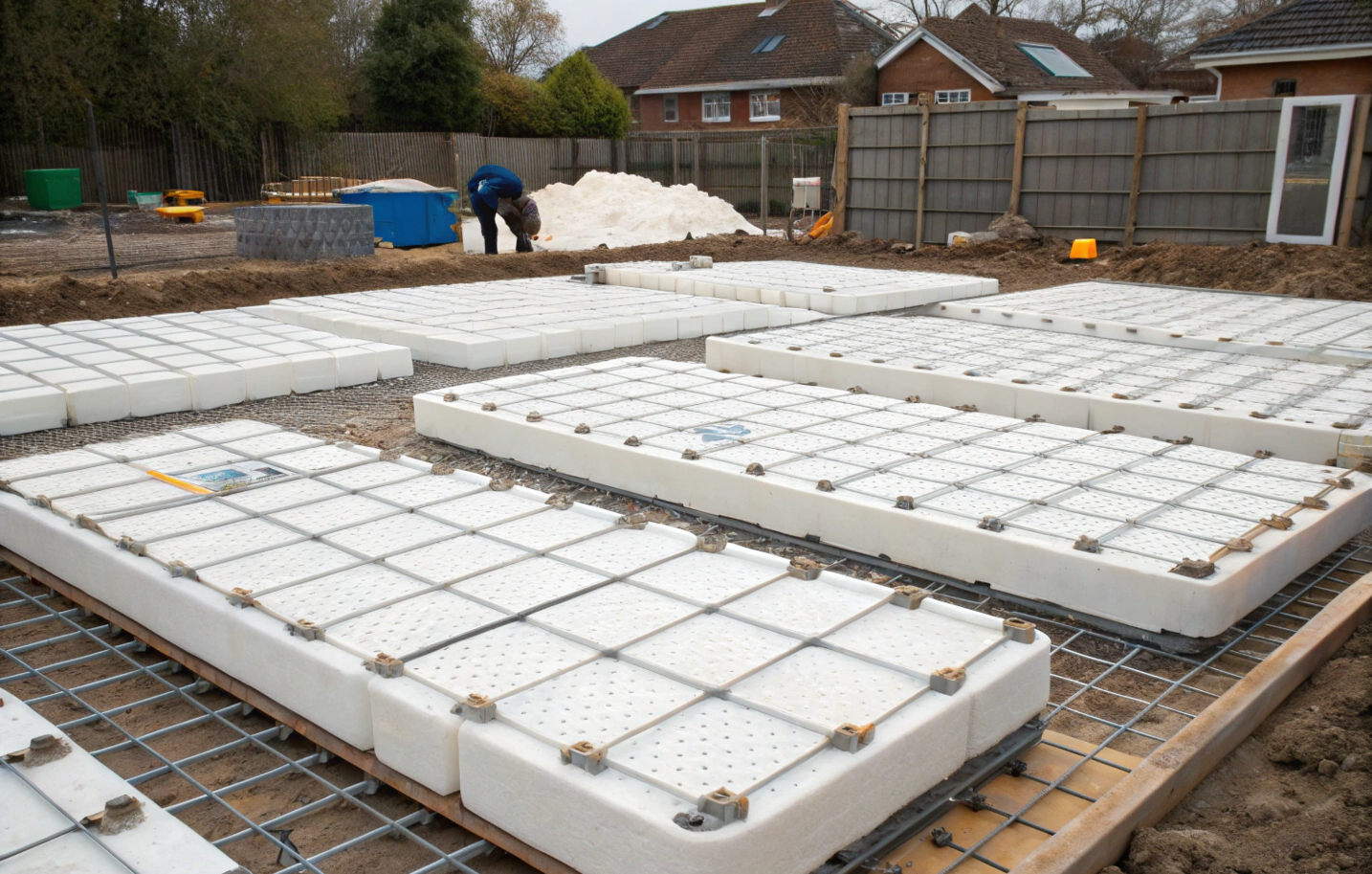
Raft Slabs and Waffle Pod Systems
Raft slabs and waffle pod systems combine the footing and floor slab into a single integrated structural element — a common specification across new residential builds in Casuarina, Kingscliff, and Banora Point. We pour these systems into the approved structural drawings, coordinating reinforcement layout, edge beam dimensions, and pod placement with precision before the pour proceeds.
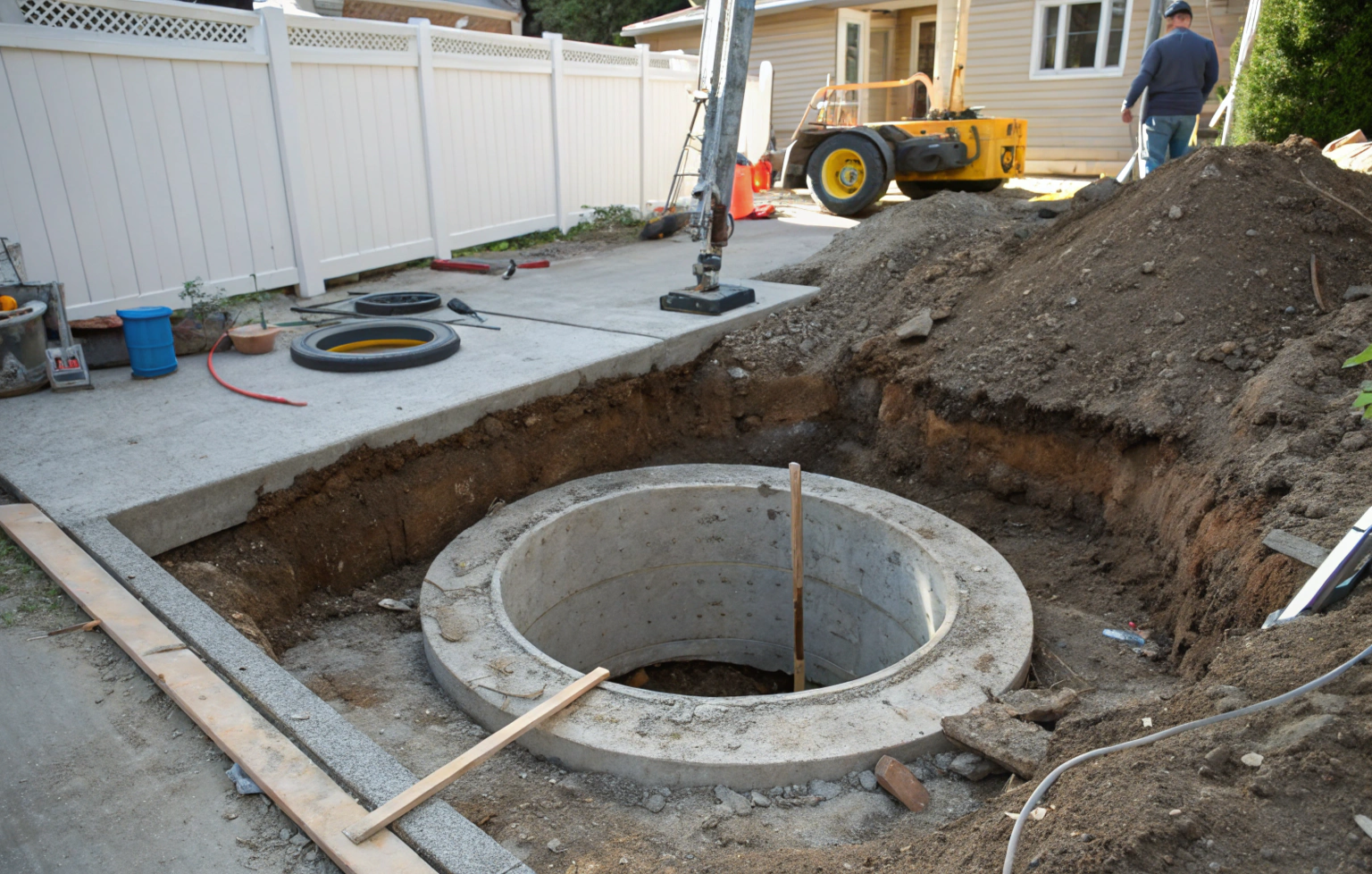
Pier Footings for Elevated Structures and Decks
Pier footings carry the load of elevated structures — decks, verandahs, and raised floor systems — down to competent bearing material below. In Tweed Heads’ variable coastal and clay soil profiles, pier depth is critical. We drill and pour to the specified depth, ensuring every pier bears on undisturbed, structurally adequate material.
Reinforcement Placement and Concrete Mix Specifications
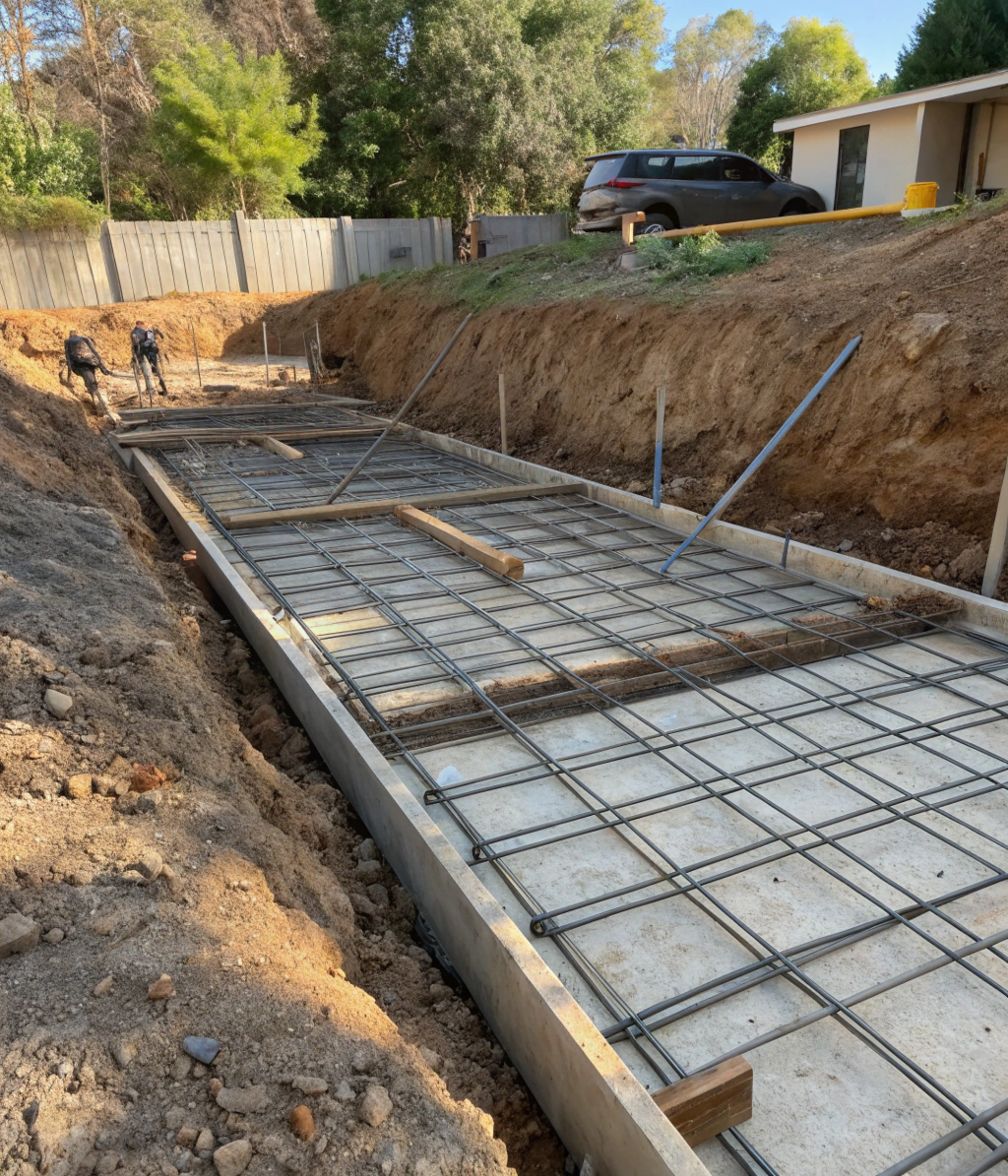
Reinforcement placement is where footing construction either meets the structural engineering documentation, or it doesn’t. Bar diameter, spacing, lap lengths, and concrete cover dimensions are all specified for a reason — they determine how the footing performs under load, and how it holds up over time in the local soil and groundwater environment. We place reinforcement on the approved structural drawings on every project, with cover blocks positioned correctly before the pour proceeds.
Concrete mix specification is equally consequential. The Tweed Heads region’s coastal groundwater conditions and reactive clay profiles in areas toward Murwillumbah place real demands on mix design — sulphate exposure, chloride content, and minimum compressive strength requirements all factor into the specification. We work from the structural engineer’s mix requirements as standard, sourcing concrete from local suppliers to the correct grade, ensuring that what goes into the ground performs exactly as the documentation requires it to.
Site Assessment and Soil Classification Before Every Pour
Site assessment and soil classification are the starting points for every footing project we take on in the Tweed Heads region. What’s beneath the surface determines everything — footing depth, width, reinforcement specification, and concrete mix design all flow directly from what the ground can and can’t support. Skipping or shortcutting this stage is how footing projects go wrong before a single bar is placed.
The Tweed Heads region presents genuine soil variability that makes accurate site assessment non-negotiable:
- Sandy and loose coastal profiles near Kingscliff, Casuarina, and the shoreline corridor present bearing capacity challenges requiring careful depth specification
- Reactive clay soils further inland toward Murwillumbah create movement risk under seasonal moisture cycling — a direct footing design consideration.n
- Fill material on subdivided or previously developed sites requires assessment to confirm bearing on undisturbed natural material rather than compacted fill.
We classify sites in accordance with Australian Standards and work alongside the structural engineer or building designer to confirm the footing specification suits the actual ground conditions on your specific site — not a generalised assumption about what’s typically found in the area. What’s in the documentation has to match what’s in the ground.
Why Concrete Footings Fail — and How We Prevent It
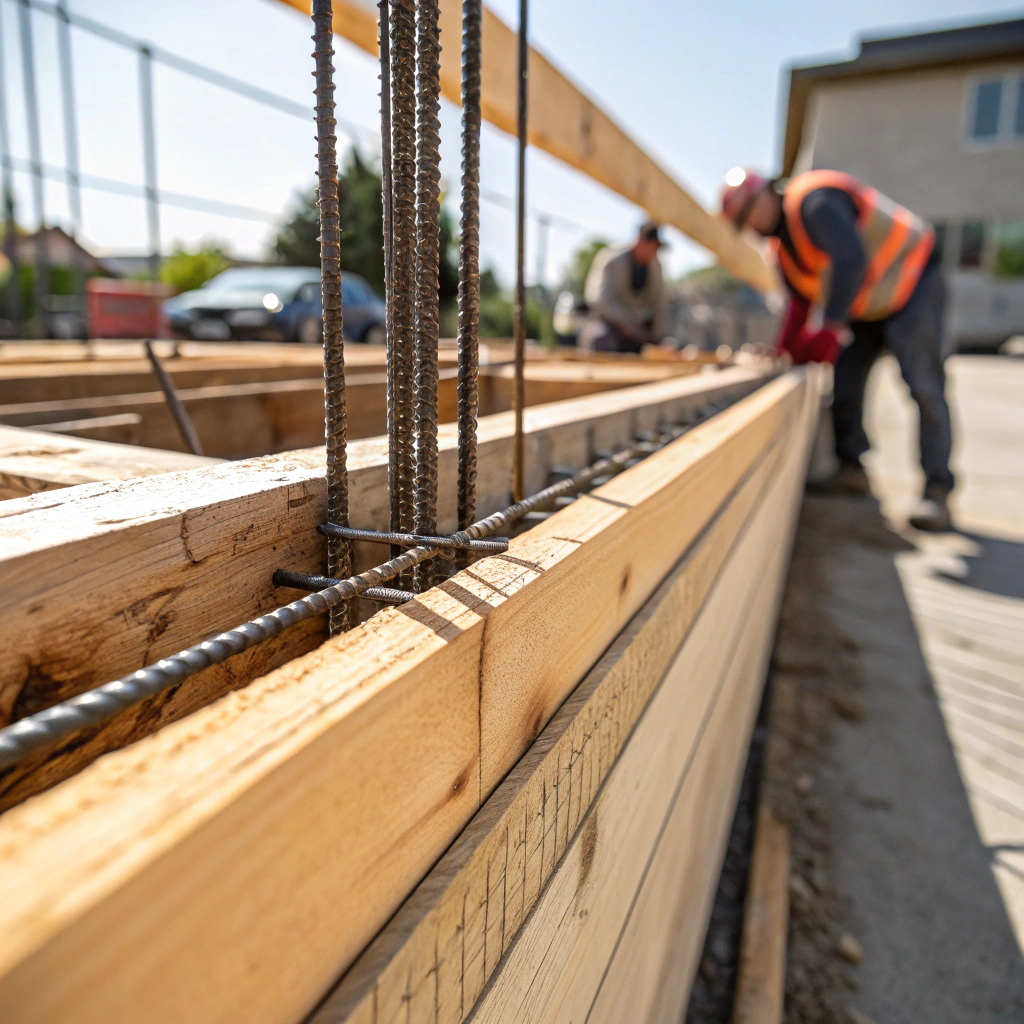
Concrete footing failures don’t happen randomly — they trace back to identifiable causes that competent construction practice eliminates before they become problems. Undersized footings bearing on soil that can’t carry the load. Reinforcement placed with insufficient cover, leaving steel exposed to moisture ingress and corrosion over time. Concrete poured into excavations that haven’t been inspected or that have been compromised by rainfall and loose material at the base. Mix designs that don’t account for the local soil and groundwater environment. Dimensions that don’t match the structural engineering documentation.
Every one of these failure points is preventable. We work from approved documentation, classify the site correctly, inspect excavations before pours proceed, and place reinforcement to specification — because a footing built right the first time never needs to be revisited.
Footing Inspections — How We Keep Your Build Moving
Concrete footings in new construction are an inspectable element under the building approval process on both sides of the Tweed Heads border. In Queensland and New South Wales, footings must be inspected and approved by the certifier or building surveyor before the concrete pour can proceed. A failed inspection — or a pour that goes ahead before inspection is completed — creates delays and rectification costs that flow directly into your construction program and budget.
We coordinate with certifiers and building surveyors as a standard part of every footing project. That means inspections are scheduled and confirmed before pour day, excavations and reinforcement placement are presented in a condition that reflects the approved structural documentation, and nothing goes into the ground until the inspection sign-off is in hand.
The result is a footing stage that moves cleanly from excavation through to pour without the delays, hold points, and rectification work that poorly managed footing projects routinely generate. Your build stays on program from the ground up.
Frequently Asked Questions — Concrete Footings Tweed Heads
Concrete footings transfer the structural load of a building into the ground. Every wall, column, post, and slab depends on footings bearing correctly on stable soil — making them the most structurally consequential element of any construction project.
Footing depth depends on soil classification, structural loads, and the engineer’s specification. Tweed Heads’ variable soils — from loose coastal profiles near Kingscliff to reactive clays toward Murwillumbah — mean depth requirements vary significantly between sites and must be assessed individually.
Yes. In both Queensland and New South Wales, footings are an inspectable element under the building approval process. The certifier or building surveyor must inspect and approve the excavation and reinforcement before the concrete pour can legally proceed.
Residential construction in the Tweed Heads region commonly uses strip footings beneath load-bearing walls, pad footings under isolated columns and posts, raft and waffle pod slab systems for new homes, and pier footings for elevated structures, decks, and verandahs.
Strip footings run continuously beneath load-bearing walls, distributing load along their full length. Pad footings are isolated elements supporting individual columns or posts. Both require correct excavation depth, reinforcement placement, and concrete mix specification to perform as designed.
For most new construction and significant structural work, engineering documentation is required under the building approval process. We work from structural engineer drawings and building permits as standard practice — not from estimated dimensions — to meet compliance requirements on every project.
Licensed and Insured Concrete Footing Contractors Tweed Heads
We’re licensed, insured, and experienced in footing construction across the full Tweed Heads regional catchment — working from structural engineering documentation, complying with Australian Standards, and meeting building code requirements on both sides of the NSW/QLD border. Every quote is obligation-free, and every project is handled with the compliance awareness and technical precision that footing work demands.
Get in touch today for a free quote on your footing project. We service Tweed Heads, Banora Point, Coolangatta, Kingscliff, Chinderah, Murwillumbah, and the Gold Coast border corridor. Whether you’re an owner-builder pouring your first slab or a builder managing a tight construction program, we’re ready to get your foundations right.
