
Expert Foundation Solutions for Challenging Ground Conditions
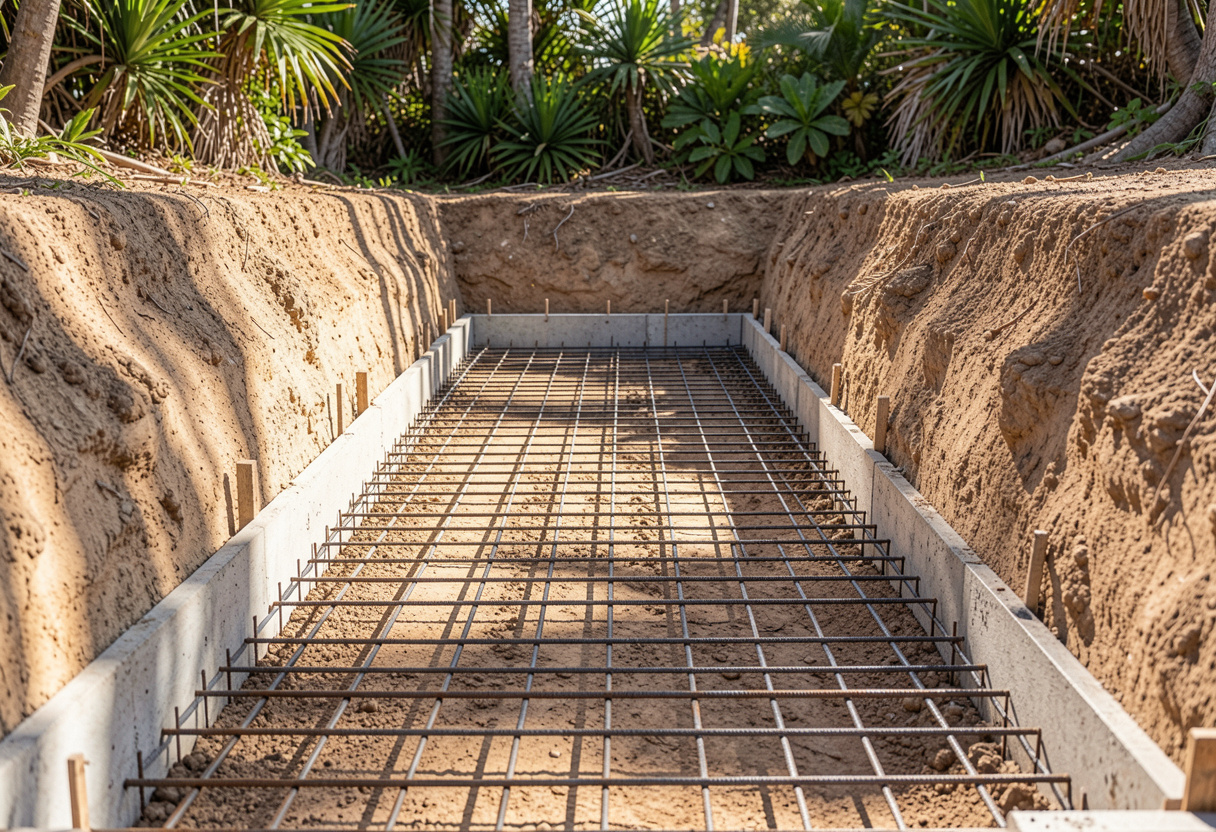
Every crack in a wall, every door that won’t quite close, every floor that dips just slightly where it shouldn’t — those problems didn’t start at the wall or the door or the floor. They started underground, at the concrete foundation. And by the time you can see them, fixing what’s underneath costs a lot more than getting it right the first time ever would have.
Around Tweed Heads, that’s not a hypothetical. Sandy coastal soils near the shoreline, reactive clay further inland toward Murwillumbah, high water tables along the Tweed River floodplain, and wet season downpours that can flip subgrade conditions overnight — this region throws real engineering challenges at anyone pouring a concrete foundation here. You need someone who’s actually worked these soils, not someone treating every site like it’s the same as the last one.

Concrete Foundation Types We Build in Tweed Heads
How We Execute Your Concrete Foundation on Site
Getting the engineering documentation right is step one. Executing it correctly on site is where foundation quality is either achieved or lost — and there are no second chances once the concrete is poured and the structure goes up above it.
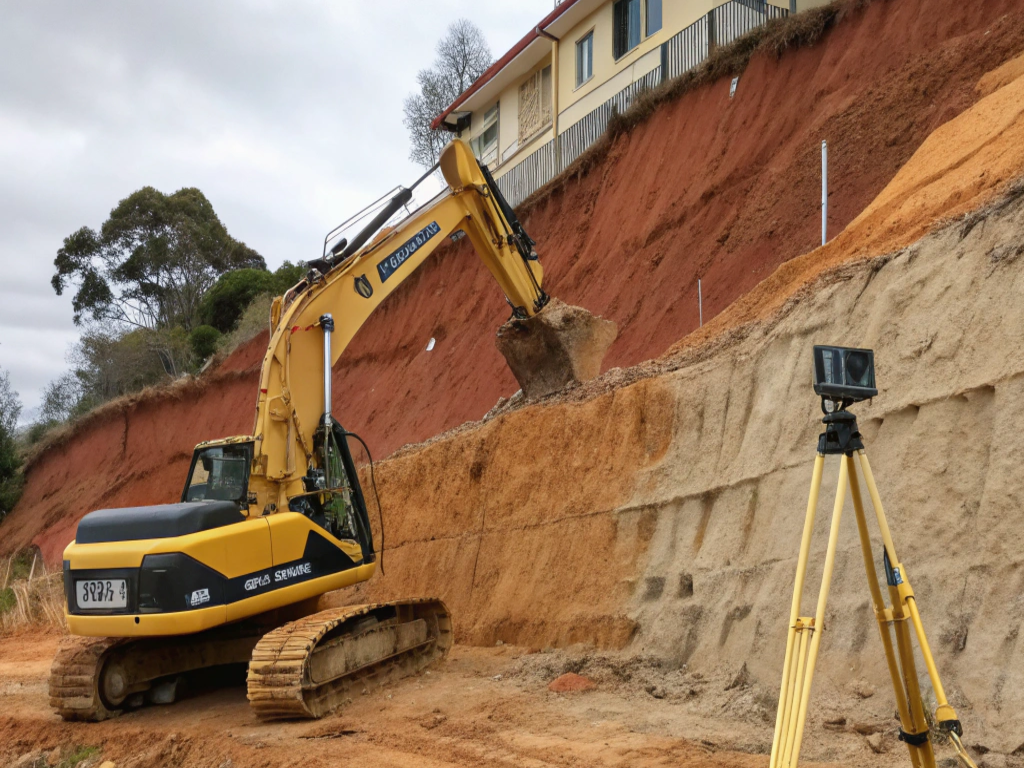
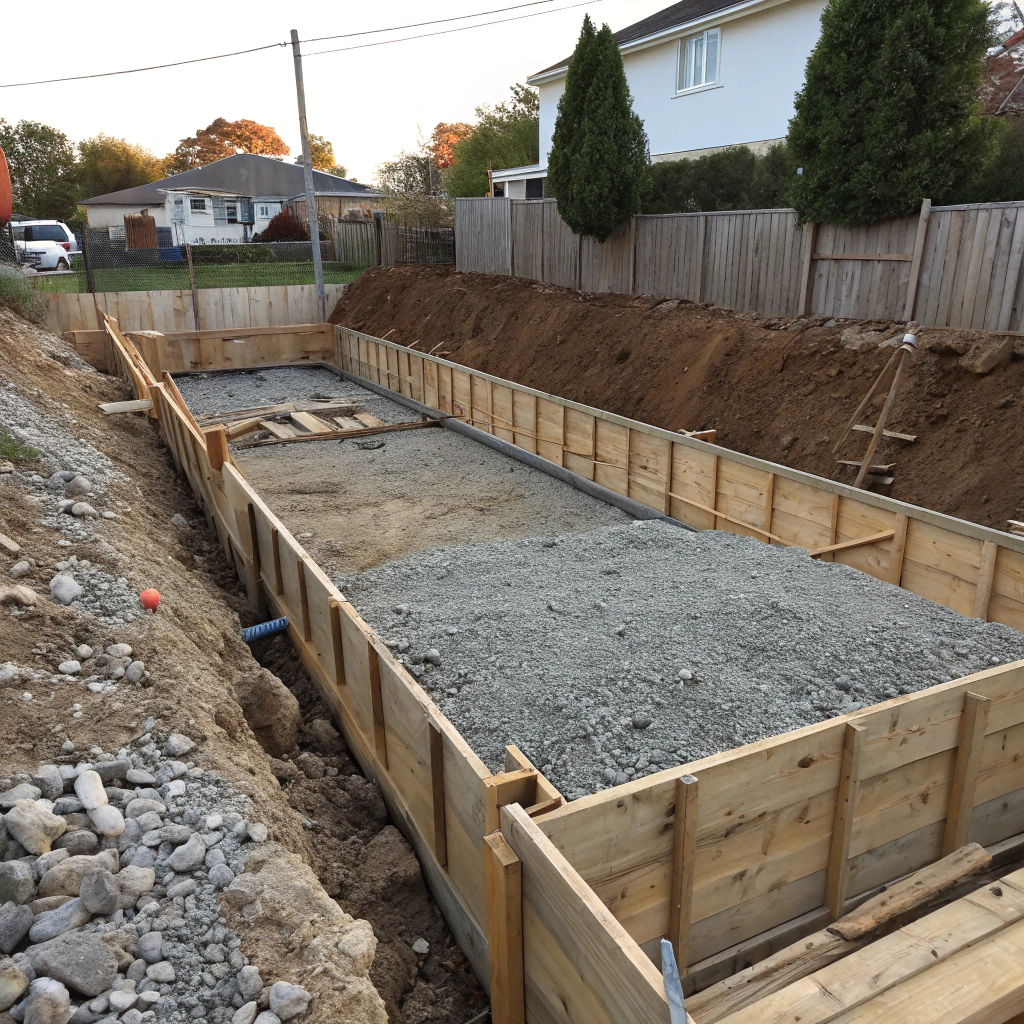
Our construction process covers excavation to the specified founding depth and dimensions, with assessment of the excavation base to confirm adequate bearing on undisturbed material before anything else proceeds. Groundwater and surface water intrusion into foundation excavations gets managed carefully — particularly during the Tweed’s wet season, where conditions can change fast. Formwork is placed to the specified dimensions, reinforcement is laid to the structural engineering layout with correct bar sizes, spacing, and concrete cover to protect steel from the corrosive coastal environment. Concrete mix is selected to match the structural classification and local soil and groundwater chemistry, the pour is vibration-compacted to eliminate voids and honeycombing around the reinforcement, and curing is managed to achieve specified strength before construction loading proceeds above the foundation.
Foundation Compliance Across Both Sides of the Tweed Heads Border
Foundation construction is an inspectable stage under the building approval process — and in Tweed Heads, that means operating across two different regulatory jurisdictions with genuinely different requirements, processes, and timing expectations.
Projects on the northern side of the border fall under Queensland Building and Construction Commission licensing requirements and Gold Coast City Council approval processes. Projects on the southern side fall under New South Wales Fair Trading licensing frameworks and Tweed Shire Council approval processes. The certifier or building surveyor needs to inspect and sign off on the foundation excavation and reinforcement placement before the concrete pour proceeds — and the inspection process differs between QLD and NSW in ways that directly affect your construction program if you’re not across them.
We’re licensed and operating compliantly under both frameworks. We know how to sequence the inspection coordination so the certifier visits when the foundation is ready, not when you’ve already been waiting on site for three days. We present foundation work in a condition that passes on the first visit — no rectification, no delays, no programme blowouts because someone wasn’t across which jurisdiction they were working in.
Get a Free Quote on Your Tweed Heads Concrete Foundation
We bring licensed and insured foundation construction under both Queensland and New South Wales frameworks, experience working directly from structural engineering and geotechnical documentation across all foundation types and project scales, and full compliance with Australian Standards including AS 2870 for residential foundations and the relevant commercial structural standards.
Call us today or fill in the quote form — get a straight answer from a foundation contractor who knows this region’s soils, knows the compliance requirements on both sides of the border, and builds foundations the way structural engineers actually specify them.
FAQs About Concrete Foundations in Tweed Heads
How deep does a concrete foundation need to be in Tweed Heads?
It depends entirely on what’s underneath your specific block — and that’s not me being vague, that’s just the reality of building around here. Coastal areas near the Tweed shoreline often need us to go deeper to get past loose sandy material and reach something with real bearing capacity. Inland toward Banora Point and Terranora, reactive clay soils influence the foundation system type more than the depth alone. We read the structural engineering documentation and assess the excavation base on the day — that’s what tells us we’re founding on the right material.
How long does a concrete foundation take to cure before building can continue?
Generally you’re looking at a minimum of seven days before significant construction loading goes on top, but the full 28-day strength development matters for heavier structural elements. Here in the Tweed, the subtropical humidity actually helps curing in cooler months, but in the summer heat we actively manage moisture retention to stop the surface drying out too fast and compromising strength. Rushing this stage is one of the most common and costly mistakes I see on self-managed owner-builder projects. We won’t let construction proceed above the foundation until the concrete has reached the specified strength — full stop.
Do I need a soil test before my concrete foundation is poured in Tweed Heads?
For most residential projects, a soil classification under AS 2870 is what drives the foundation specification — and yes, you need it done before the engineer can properly design your slab or footing system. The Tweed Heads region has enough soil variability between the coastal fringe, the river floodplain, and the hinterland that assuming your site matches the neighbour’s is a genuine risk. I’ve seen projects where the assumed soil class and the actual soil class were completely different within the same street. Get the classification done early — it saves far more money than it costs.
Can wet season rain affect my concrete foundation pour in Tweed Heads?
Yes, and it’s something we take seriously up here because the Tweed’s wet season isn’t something you work around casually. Heavy rainfall can saturate the excavation base and compromise the bearing capacity we confirmed when we first opened the ground, which means we may need to re-assess before proceeding with the pour. We also manage surface water intrusion into excavations and won’t pour into a waterlogged base — it directly affects concrete strength and long-term foundation performance. Scheduling and weather awareness are part of how we manage foundation projects through summer up here.
What's the difference between a concrete slab and a concrete foundation?
A concrete slab is the floor you walk on — a concrete foundation is the structural element that carries the load of the building down into the ground. Sometimes they’re integrated into the same pour, like with a waffle pod or raft slab system common on the reactive clay sites you find out toward Murwillumbah. Other times — particularly on pier and beam construction on sloped or flood-prone blocks near the Tweed River — the foundation and the floor are completely separate structural elements. It’s worth understanding the difference because they carry different engineering requirements, different compliance checkpoints, and different consequences if they’re not built correctly.
How much does a concrete foundation cost in Tweed Heads?
Honestly, there’s no single number I can give you without knowing what you’re building, what’s in the ground, and which side of the border your project sits on. A simple strip footing for a residential extension is a very different scope to a raft foundation system on a reactive clay site in Terranora, or a pier and beam system on a flood-affected block near the river. What I can tell you is that the cost of getting it wrong — underpinning, rectification, structural repairs — is always dramatically higher than the cost of specifying and building it correctly the first time. Get in touch and we’ll give you a straight quote based on your actual site and structural documentation.
