
What Goes Into a House Slab — And Why Every Stage Matters
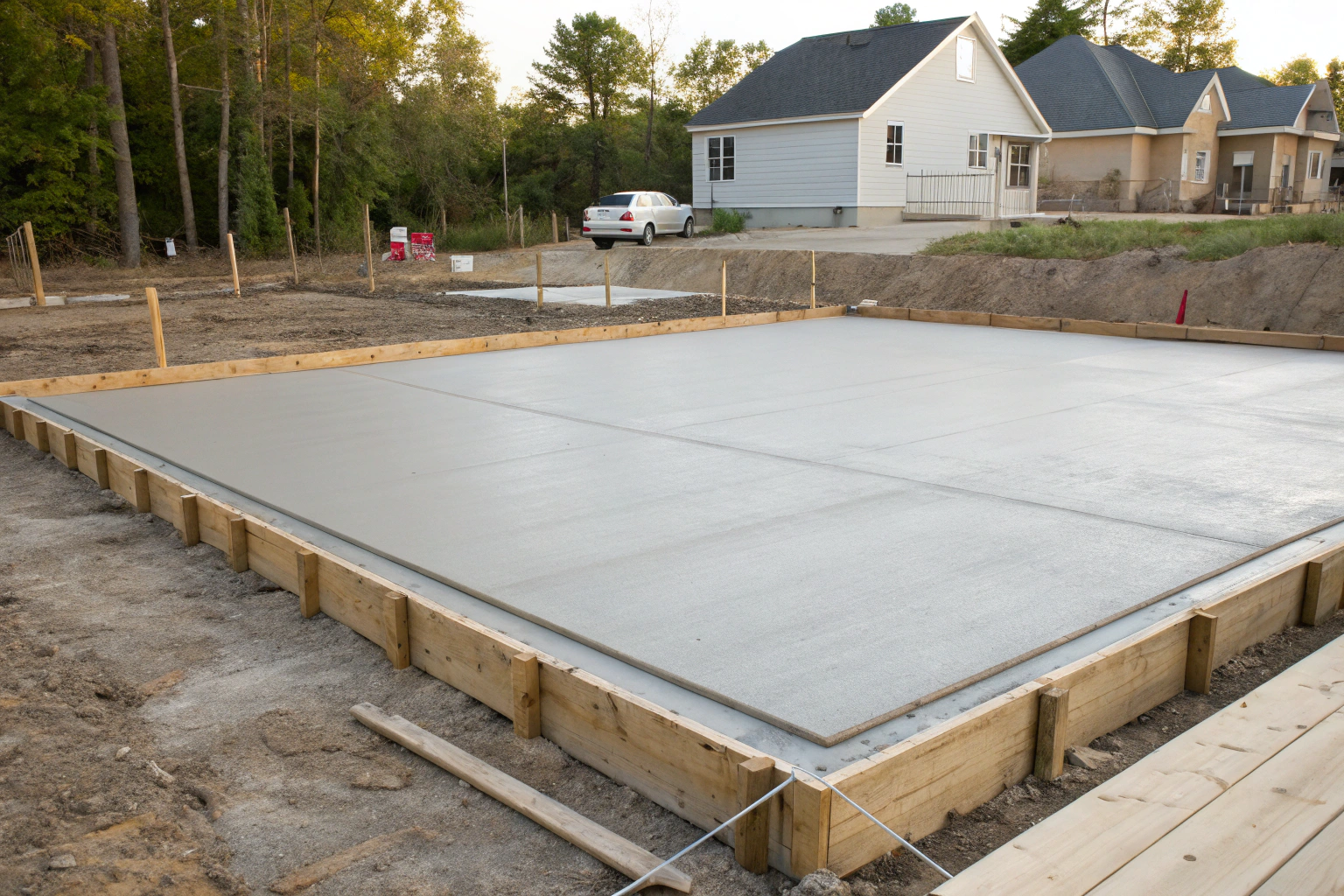
House slab construction moves through three distinct stages — pre-pour, pour, and post-pour — and the quality of each one directly determines the structural outcome of everything that follows. Cutting corners at any stage doesn’t just affect the slab itself. It affects every trade, every finish, and every structural element built above it.
The pre-pour stage is where the structural outcome is won or lost. Subgrade preparation, compaction testing, termite barrier installation, vapour barrier placement, and formwork construction to precise finished floor levels all happen before a single cubic metre of concrete is ordered. Survey accuracy at this stage is non-negotiable — errors in level or dimension are costly to correct once the concrete is in the ground.
The pour and post-pour stages demand the same discipline. Reinforcement placement to engineering specification, pre-pour certification sign-off, concrete mix design compliance, and surface finishing tolerances that meet the flatness and levelness requirements for direct-stick floor coverings, wet area waterproofing, and wall framing — every element has a downstream consequence that an experienced crew manages as standard practice on every Tweed Heads residential slab we construct.

Waffle Pod, Flat Raft or Conventional Slab — Choosing the Right System for Your Site
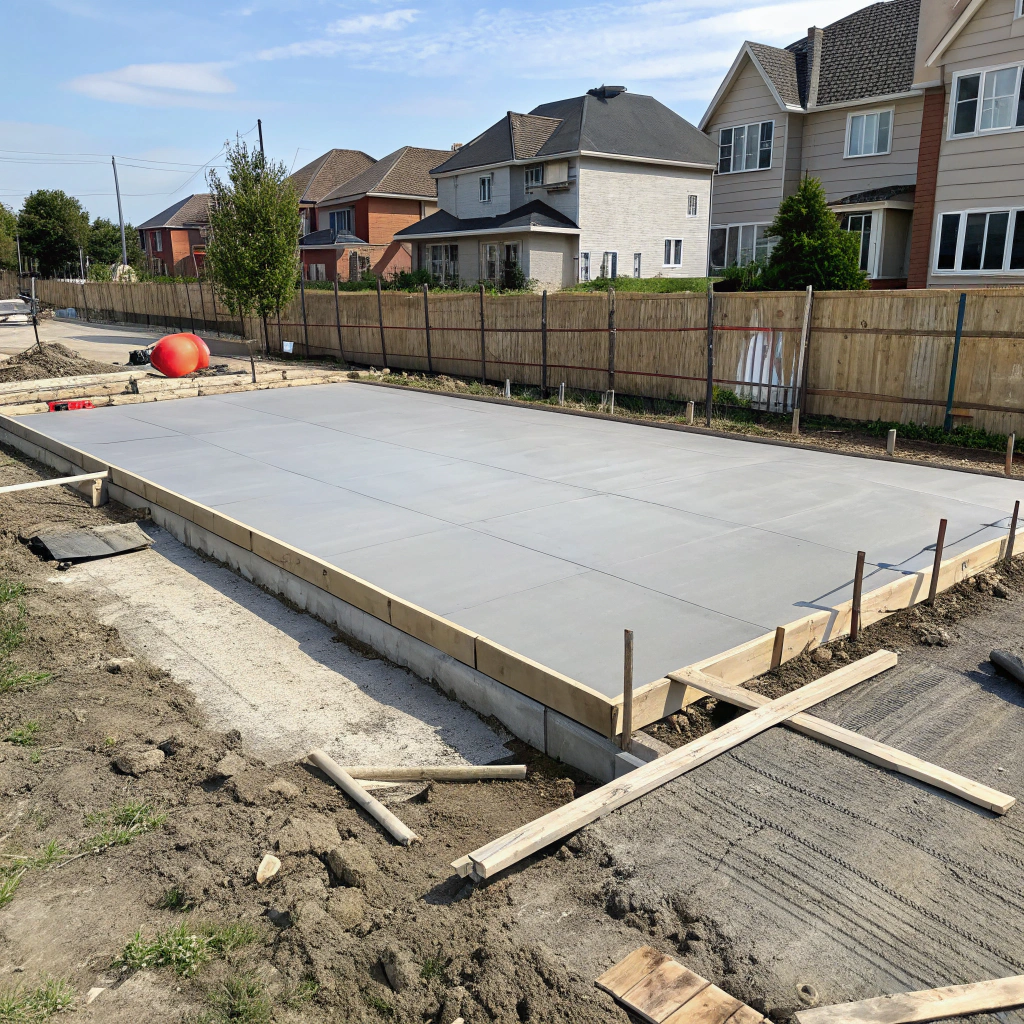
Slab system selection isn’t a preference — it’s an engineering decision driven by your site’s soil classification, slope, and load requirements. We construct all three systems commonly specified in the Tweed Heads residential market and understand the engineering rationale behind each.
Conventional reinforced slabs on ground suit stable, well-bearing soil sites where movement risk is low. Stiffened raft slab systems — including waffle pod and flat raft configurations — are specified for reactive clay sites and designed to AS 2870 to manage soil movement without transferring stress into the structure above. Suspended slabs come into play on sloped blocks or split-level sites where a ground-bearing slab simply isn’t feasible given the site geometry.
We read the geotechnical report, work from the structural engineering documentation, and construct the system your site actually requires — not whichever system is easiest to form up.
Getting the Groundwork Right Before a Drop of Concrete Is Poured
Pre-pour site preparation determines the structural outcome of your house slab before the concrete truck arrives. Every decision made at ground level — from subgrade preparation through to formwork construction — has a direct consequence on the finished slab’s performance and the construction program that follows.
We begin with bulk earthworks and subgrade preparation to the specified finished floor level, followed by compaction testing to confirm the subgrade meets the bearing capacity requirements set out in the structural design documentation. In the Tweed Heads region, where soil profiles shift from loose coastal sand near the shoreline to reactive clay further inland, this step carries real engineering weight and gets the attention it demands on every site we work.
Termite barrier installation is completed as a mandatory requirement under the Building Code of Australia for all new residential construction. Vapour barrier placement follows, managing moisture transmission through the slab in the high-humidity coastal environment. Formwork is then constructed to the precise dimensions and levels specified in the engineering drawings, with survey accuracy checked and confirmed before a single element of reinforcement is placed. Finished floor level must be correct to tight tolerances, because errors at this stage are expensive once the concrete is in the ground.
Reinforcement, Mix Design & Pour Day: How We Deliver the Slab
Reinforcement placement is completed to the structural engineering specification — mesh, bar, and chair placement positioned to achieve the correct concrete cover specified in the design documentation. Nothing is placed by assumption. Every element is set to the drawing before the pre-pour inspection is called.
Pre-pour certification is coordinated with the certifier or building surveyor as required under the building approval process. Once sign-off is confirmed, concrete is ordered to the specified mix design — including strength grade and any special requirements for sulphate resistance or reduced shrinkage in reactive soil environments common across the Tweed Heads region.
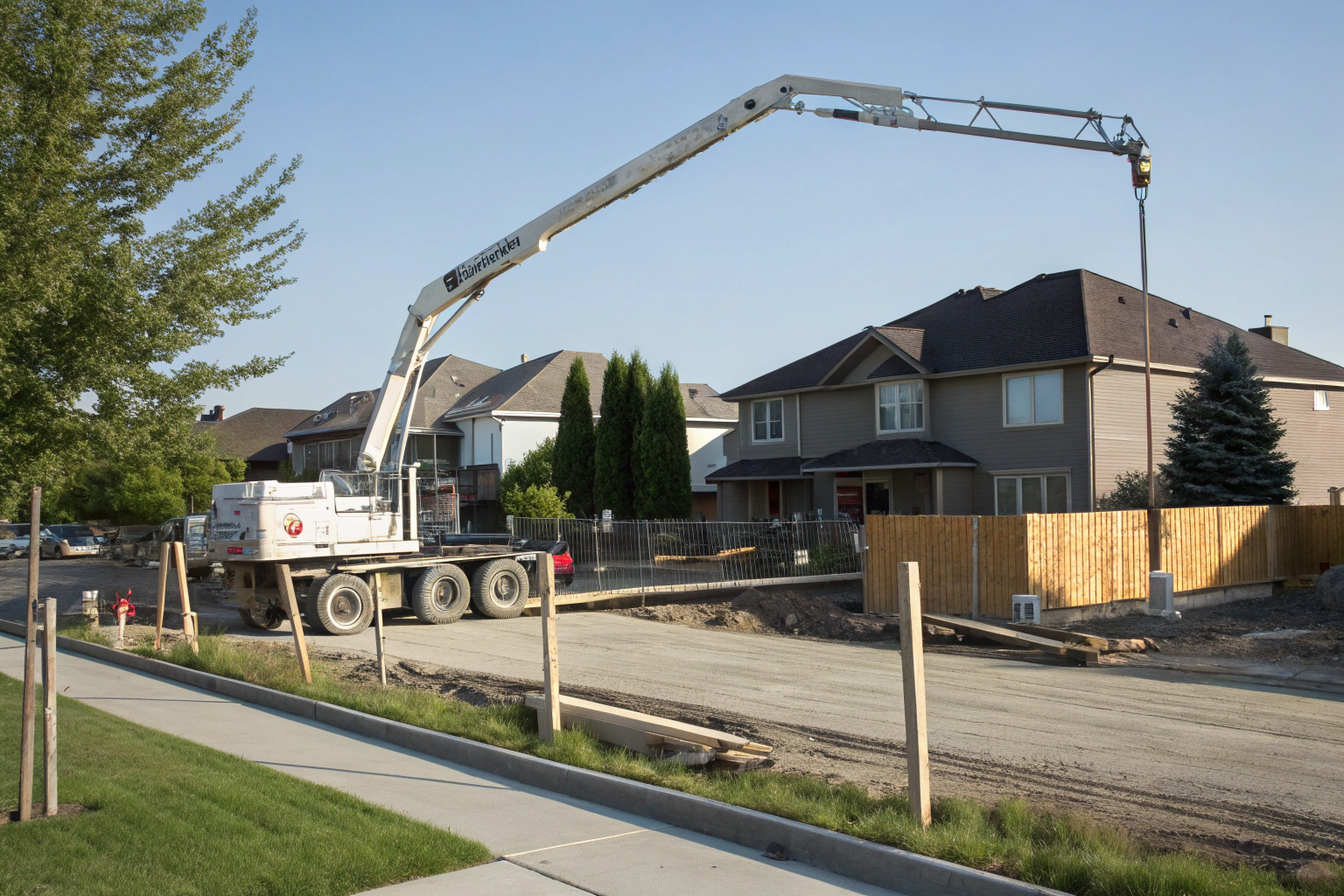
Pump placement and pour sequencing are planned across the full slab area before the first truck arrives on site. Finishing follows immediately, and this is where residential house slabs demand more than shed or garage work. The finished surface must meet the flatness and levelness tolerances that allow direct-stick floor coverings, wet area waterproofing, and wall framing installation to proceed without remediation. Achieving those tolerances consistently across a large residential slab requires the right equipment and experienced finishing crews who understand what builders need when they arrive on site.
From Subgrade to Surface: How We Prepare Your House Slab Site
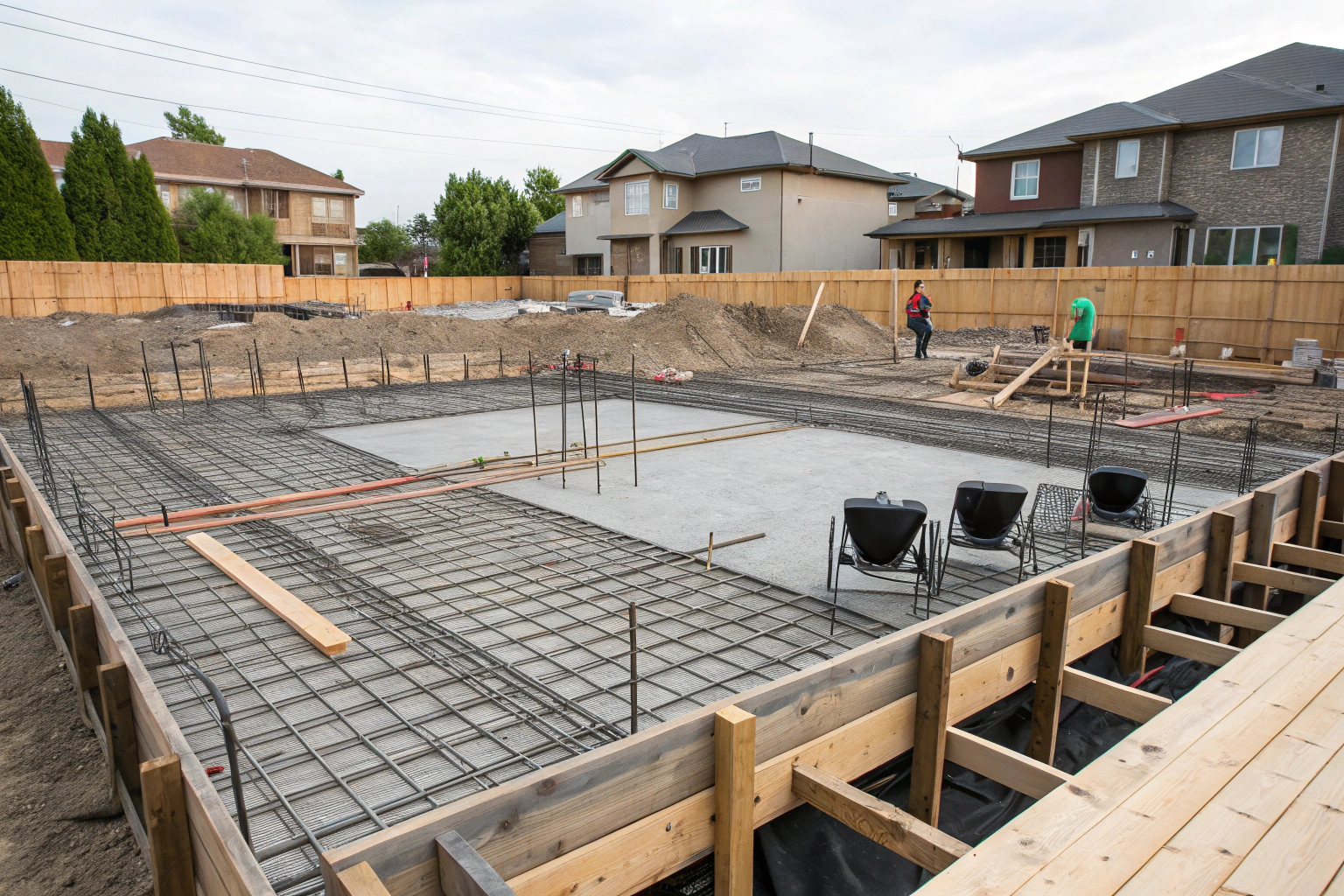
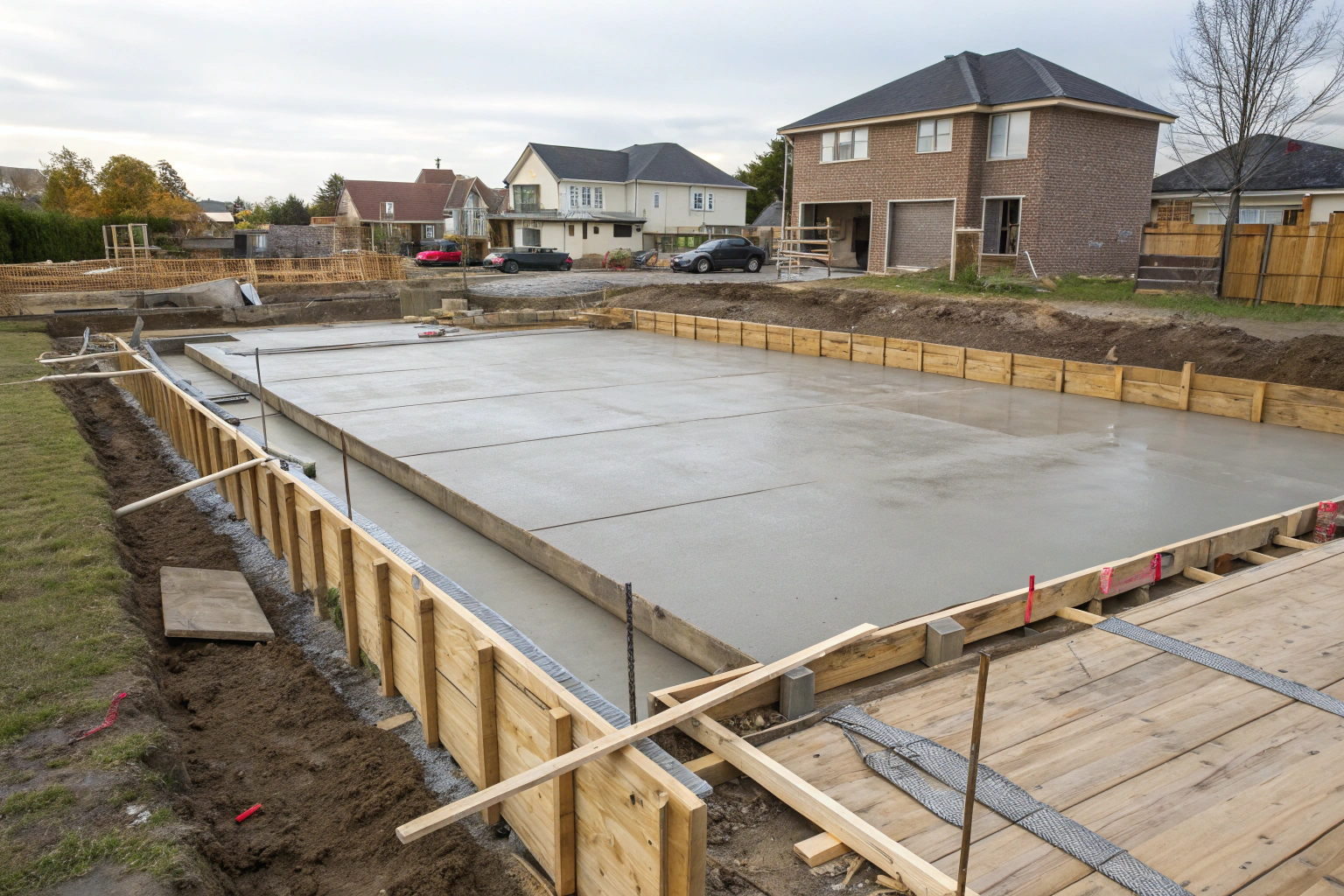
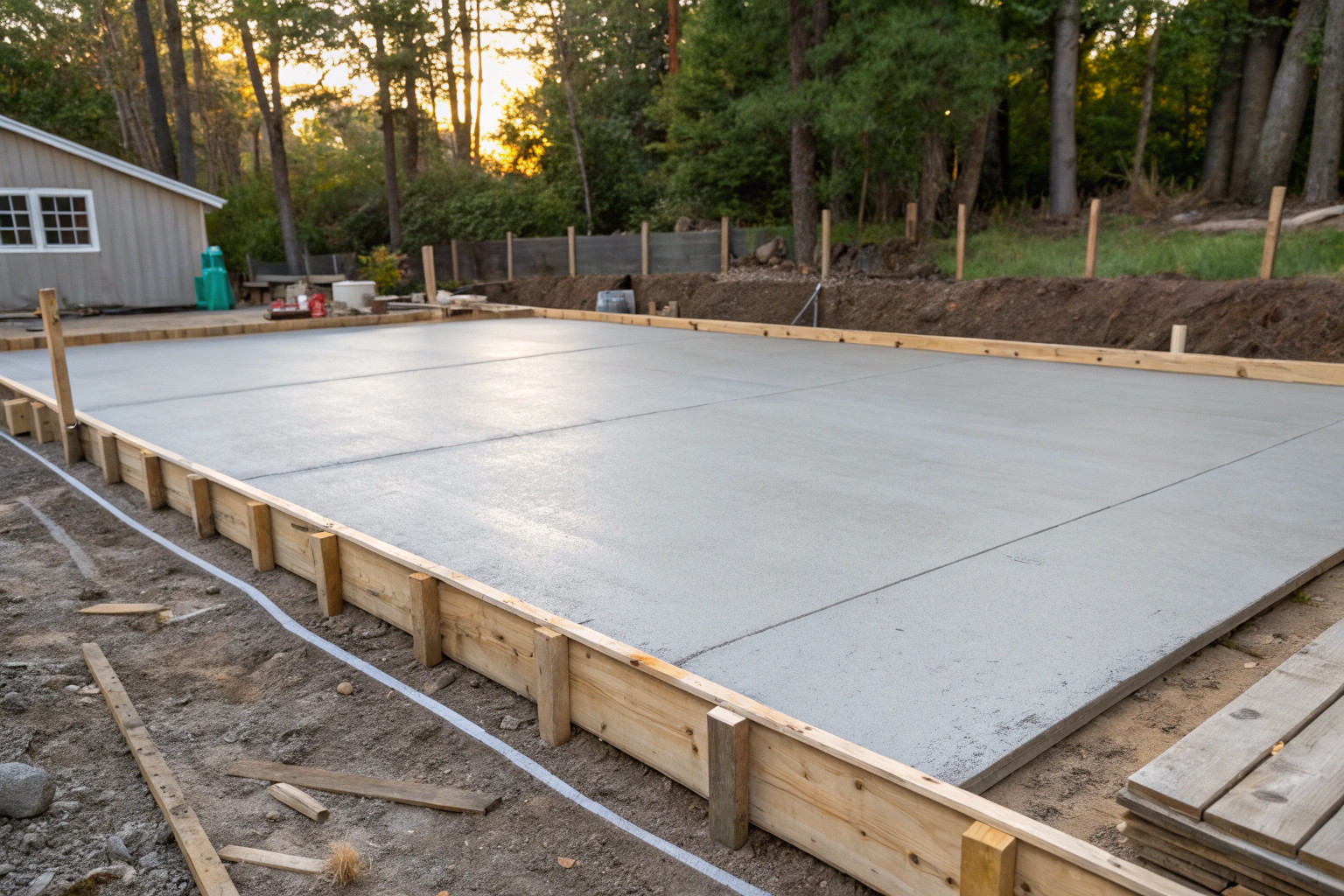
Site preparation for a house slab is a sequenced process — and every step in that sequence feeds directly into the structural performance of the finished concrete. We work through each stage methodically because skipping or rushing any part of it creates problems that show up later in the build when they’re far more disruptive to resolve.
Bulk earthworks are completed first, cutting and filling to the specified finished floor level across the full footprint. Compaction is tested — not assumed — with results confirming the subgrade meets the bearing capacity requirements set out in the structural design before the next stage begins. In the Tweed Heads region, where the wet season can saturate ground conditions quickly, earthworks and pour sequencing are planned around weather windows to protect subgrade integrity through to pour day.
Termite barriers, vapour membranes, and formwork are then installed in sequence according to the engineering specification. Survey checks are completed at the formwork stage to confirm the finished floor level is accurate to the tight tolerances that drainage, framing, and external concrete work all depend on from this point forward.
Reactive Soil, Coastal Sand & Sloped Blocks — Slab Solutions for Every Tweed Heads Site
Site conditions across the Tweed Heads region don’t follow a single profile — and the house slab system that performs on one site can be entirely wrong for the next. We work across the full range of ground conditions present in this market and bring the local knowledge to match the right slab solution to what’s actually underfoot.
Coastal sand profiles near the shoreline present bearing capacity challenges that require careful subgrade preparation and compaction management before a conventional slab on ground can be correctly specified and constructed. Reactive clay soils further inland toward Murwillumbah expand and contract with seasonal moisture changes — these sites require stiffened raft slab systems designed to AS 2870 that manage soil movement without transmitting stress into the structure above.
Sloped blocks and split-level sites across the hilly corridors of the region introduce a different set of challenges again — sites where a ground-bearing slab isn’t feasible and a suspended slab solution is required to achieve the correct finished floor level within the building envelope.
We read the geotechnical data, work from the structural engineering documentation, and construct the slab system the site demands — across Banora Point, Kingscliff, Casuarina, Chinderah, and Murwillumbah.
House Slab Finishing Tolerances — Why Residential Slabs Demand More
Residential house slab finishing is a different discipline from shed or garage slab work — and the difference matters the moment the framing crew and floor covering installers arrive on site. A house slab surface must meet flatness and levelness tolerances that allow subsequent trades to work directly from it without remediation, and those tolerances are unforgiving.
The finished surface of a residential slab must accommodate:
- Direct-stick floor coverings — tiles, timber, and vinyl that bond directly to the concrete surface and expose any deviation in flatness immediately
- Wet area waterproofing — bathroom and laundry substrates that require consistent falls and level surfaces to perform correctly.
- Wall framing installation — bottom plates that must sit flat and level across the full slab perimeter without shimming or packing
Achieving these tolerances consistently across a large residential slab isn’t a product of careful trowelling alone. It requires the right finishing equipment, experienced crews who read the surface correctly as it stiffens, and a pour sequencing plan that gives finishers the access and timing they need across the full slab area.
We finish every Tweed Heads house slab to the tolerances that builders and certifiers expect — because a slab that needs grinding or levelling compound before the next trade can start is a slab that’s already cost the build program time and money it didn’t need to lose.
Frequently Asked Questions
It depends on your site’s soil classification. Reactive clay soils common toward Murwillumbah typically require a stiffened raft system to AS 2870. Coastal sand profiles need careful subgrade preparation. We work from geotechnical data and structural engineering documentation to match the right system to your site.
Standard concrete requires a minimum of seven days curing before framing loads are applied, though the structural engineer’s specification may require longer depending on the mix design and ambient conditions. In the Tweed Heads subtropical climate, curing conditions are actively managed to achieve the specified strength outcome on program.
Yes. Termite barrier installation is a mandatory requirement under the Building Code of Australia for all new residential construction. It is installed during the pre-pour stage before the vapour barrier and reinforcement are placed, and must be completed by a licensed operator prior to pour.
Both are stiffened raft slab systems designed to AS 2870 for reactive soil sites. A waffle pod uses polystyrene void formers to create a ribbed structure beneath the slab, reducing concrete volume. A flat raft is a solid thickened slab without voids. The structural engineer specifies which system suits your site.
Yes. Sloped and split-level blocks across the Tweed Heads region often require a suspended slab rather than a ground-bearing slab, where site geometry makes a conventional slab on ground impractical. We assess the site conditions and structural documentation and construct the appropriate system for the block.
Free Quotes & Take-Off Assistance for Builders and Owner-Builders in Tweed Heads
Licensed, insured, and operating across both sides of the Queensland and New South Wales border, we deliver house slabs for builders, developers, and owner-builders across the full Tweed Heads residential construction catchment. Every project is completed from structural engineering and building approval documentation, to AS 2870 compliance, to the finishing tolerances that keep your construction program moving without delays.
We offer free quotes and take-off assistance for builders and owner-builders ready to move — whether you’re breaking ground in Banora Point, Coolangatta, Kingscliff, Casuarina, Chinderah, or Murwillumbah. Get in touch today and let’s talk through your site, your slab system, and your program.
