
What Happens Before the First Bucket Moves
Most excavation problems don’t start on the day the machine arrives on site. They start in the days before, when preparation steps get skipped or rushed because someone wants to move fast and get dirt moving. We don’t work that way.
Every site excavation project we take on in Tweed Heads begins with a clear read of the construction documentation — finished surface levels, excavation depths and extents, batter slope requirements for deeper cuts, and shoring specifications where the excavation face needs structural support. That documentation review shapes the entire excavation program before a single tyre rolls onto your block.
Underground Service Location — Non-Negotiable
Across established residential and commercial precincts in Tweed Heads, Banora Point, and Coolangatta, the density of underground services — water, sewer, stormwater, gas, electrical, telecommunications — creates a genuine strike risk for any operator who breaks ground without a proper service location done first. A clipped gas line or a severed telecommunications conduit doesn’t just cost money. It stops the job, involves third-party rectification crews, and creates a safety incident that nobody wants on their project.
Service identification and location is a standard pre-excavation step on every project we manage — not an optional extra. We treat it the same way we treat reading the plans. You wouldn’t pour a slab without checking the engineering documentation. You don’t start excavating without knowing exactly what’s under the ground you’re about to move.

The Right Equipment for the Right Site
Site excavation in Tweed Heads isn’t a one-size operation. A residential block in Casuarina with a standard side gate access is a completely different equipment conversation to an open development site in the Tweed Shire growth corridor where bulk earthwork volumes need to move efficiently across a multi-week program. Getting equipment selection wrong costs time — and on a construction program, time is money that rarely comes back.
Equipment Matched to Your Site Conditions
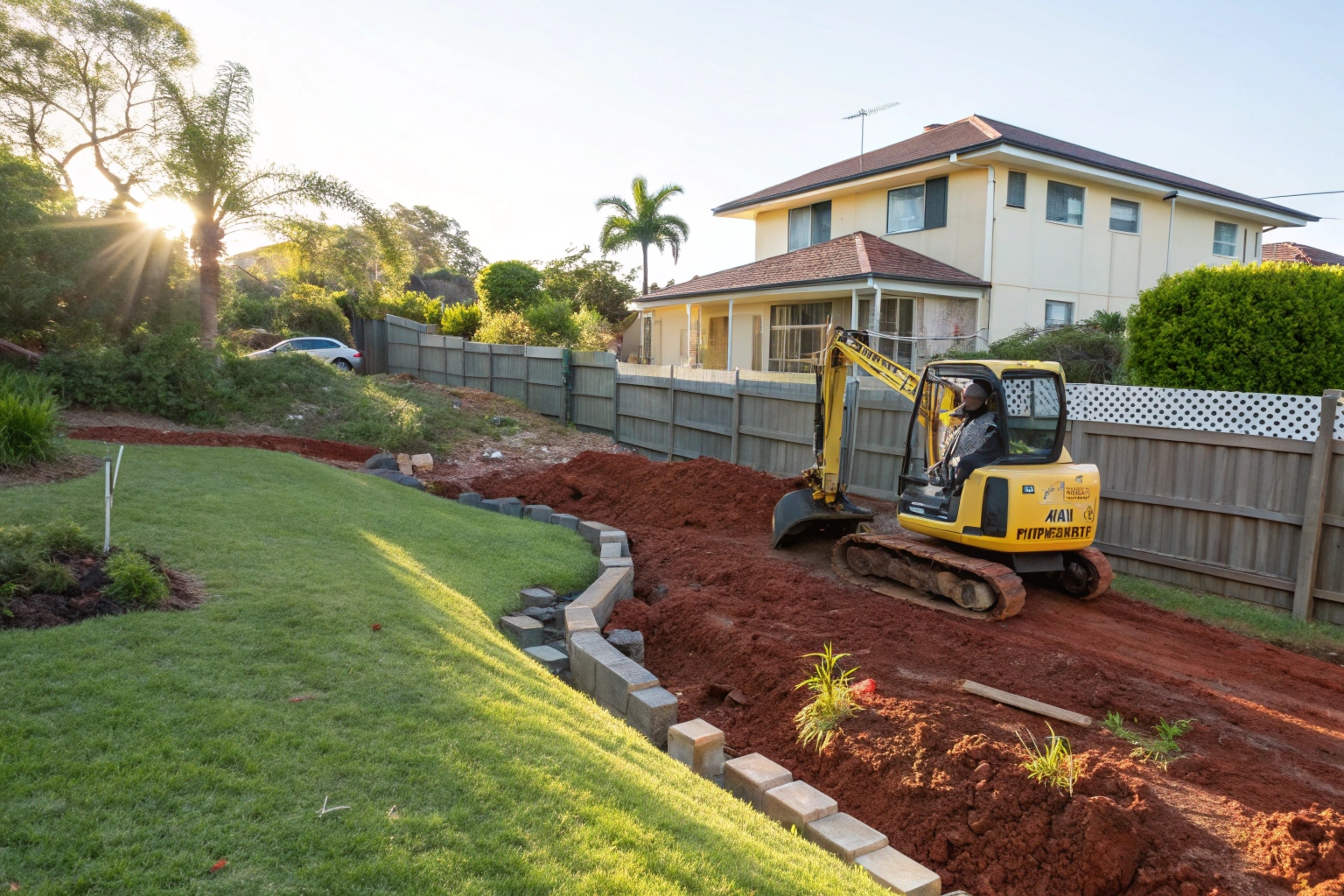
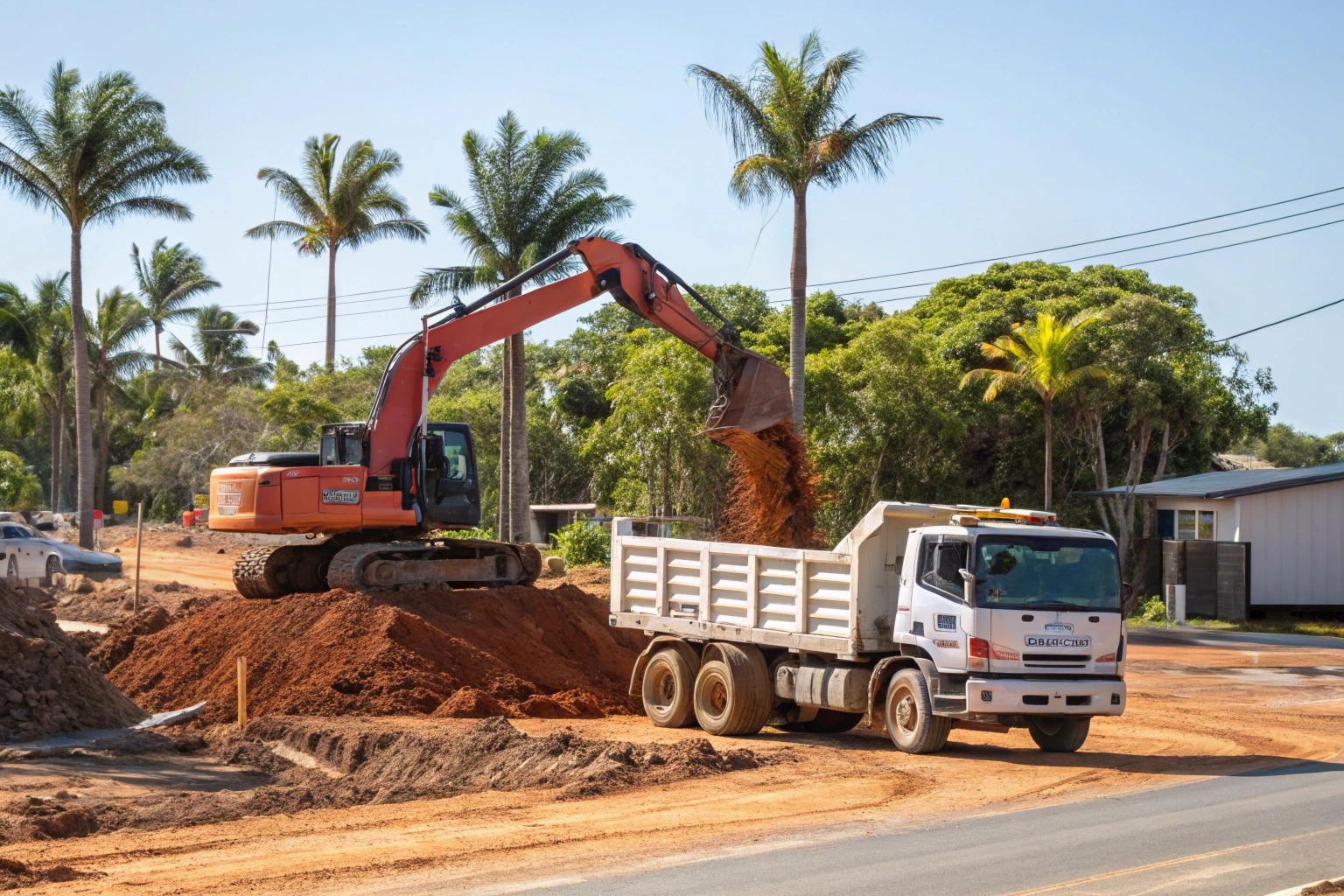
We run compact mini excavators for residential sites where access through existing structures, fencing lines, and established gardens requires a smaller footprint machine that can work accurately in tight conditions without damaging what’s already there. Mid-size and larger excavators deploy on open development sites and bulk earthwork programs where dig rate and cycle time matter. Bobcat and skid steer loaders handle material loading and site cleanup efficiently between excavation passes. Tipper truck coordination keeps spoil moving off site without creating stockpile congestion that slows the excavation program down.
Compaction equipment comes in at the subgrade preparation stage — after excavation reaches design level and before the next construction trade steps onto the prepared surface.
What ties all of this together isn’t just owning the right machines. It’s sequencing excavation, spoil removal, and subgrade preparation within the real constraints of a live construction site in the Tweed Heads area. That operational intelligence is as important as the equipment itself — and it’s what separates a well-run excavation from one that hands the builder a problem on handover day.
Every Site Excavation Scenario, Covered
The Tweed Heads construction market generates site excavation demand across a wide range of project types — and each one presents its own set of technical requirements, access constraints, and program considerations. Here’s where we work and what those projects actually look like on the ground.
New Home Site Excavation
Flat blocks and sloped blocks in this region are an entirely different excavation conversation. Flat sites need cut to finished pad level with spoil removed cleanly. Sloped blocks — and there are plenty across Terranora, Banora Point, and the hinterland fringe — require cut and fill earthworks to achieve the building platform level specified in the engineering documentation, with retained cut faces properly battered or shored.
Extension & Renovation Excavation
New footprint areas excavated adjacent to existing occupied structures need careful management. The existing building, its footings, and any established landscaping or services running along the boundary all need to stay exactly where they are while the new excavation proceeds alongside them.
Pool & Landscape Excavation
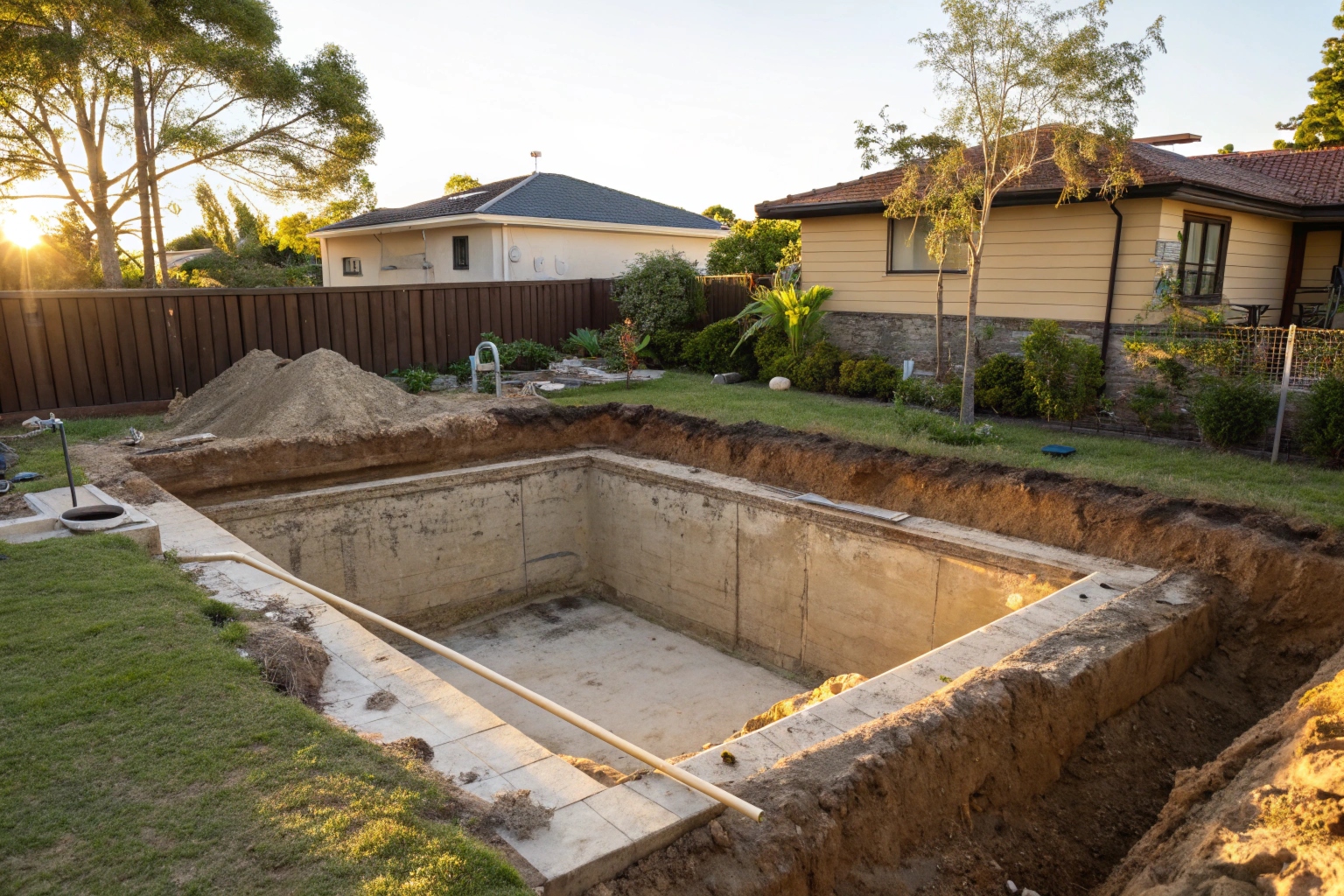
Pool shell excavation requires precision — the finished void needs to match the pool design dimensions accurately enough that the shell installation proceeds without adjustment. Retaining wall foundation excavation and landscape terracing on sloped residential blocks across Kingscliff, Casuarina, and Chinderah are recurring project types we handle regularly.
Development Site Excavation
Multi-lot residential and commercial projects across the Tweed Shire growth corridor involve excavation volumes and program complexity that require coordinated earthwork management from day one.
Erosion Control Isn’t an Afterthought Here
The Tweed Heads region has a rainfall pattern that makes erosion and sediment control a genuine operational priority on every excavation site — not a compliance checkbox that gets addressed when a council inspector’s ute pulls up at the gate. The subtropical wet season delivers rainfall events that can strip an unprotected excavation face and wash sediment into adjacent waterways, stormwater infrastructure, and neighbouring properties faster than most contractors anticipate when they’re planning a tight program.
This matters more in this region than most. A significant number of development sites across Tweed Heads, Kingscliff, Chinderah, and the coastal fringe sit in close proximity to waterways, wetlands, and the coastal environment. The environmental sensitivity of these receiving areas means sediment runoff from a poorly managed excavation site isn’t just a council compliance issue — it’s a genuine environmental harm with remediation liability attached.
What We Implement as Standard
Both Tweed Shire Council and Gold Coast City Council impose erosion and sediment control requirements through development approval conditions that apply directly to excavation works on local projects. We implement the following as standard components of every site excavation program:
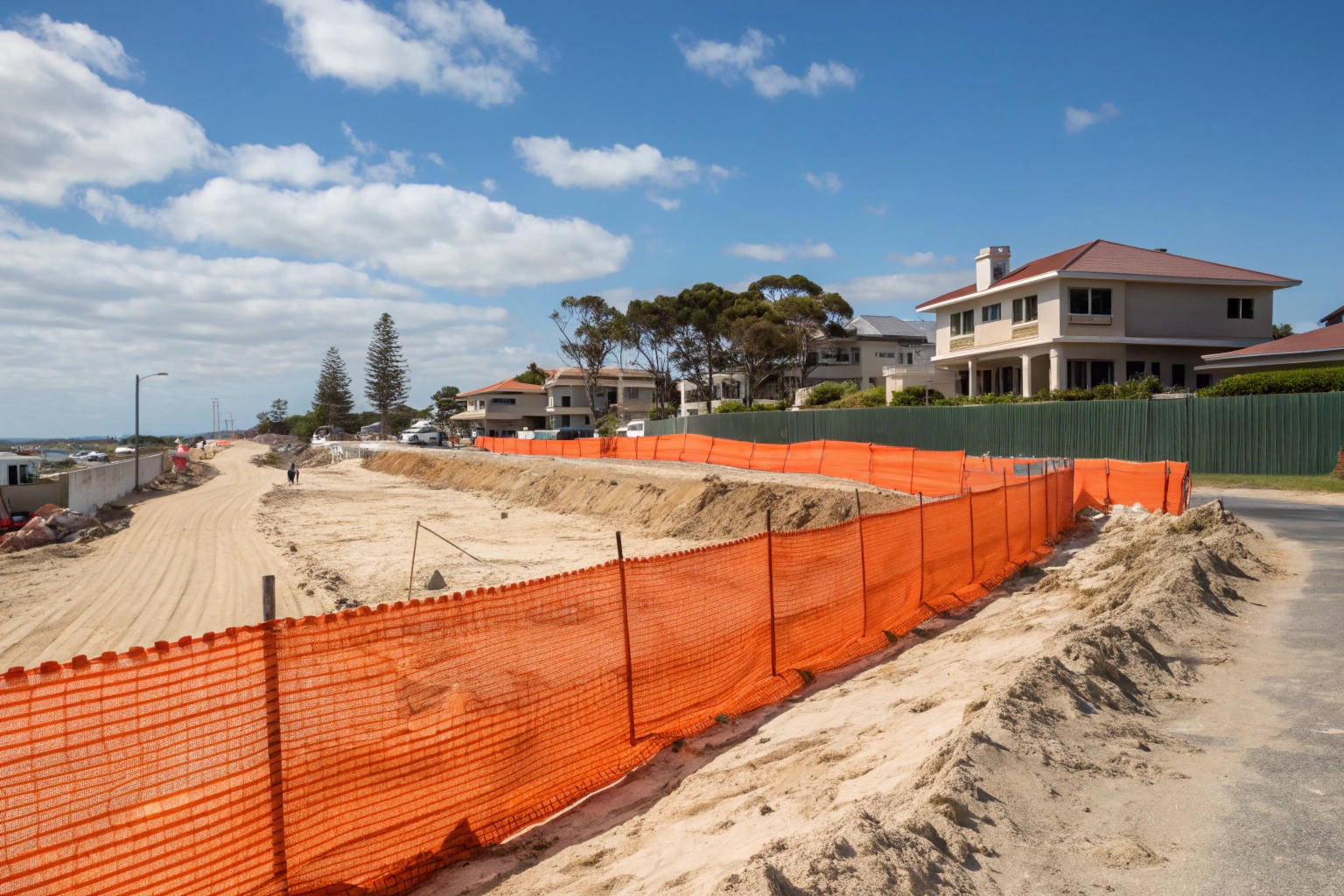
• Silt fencing installed at excavation perimeters before bulk earthworks begin
• Sediment basins on larger sites where runoff volumes require collection and treatment
• Stabilised construction entry points to prevent tracking of material onto public roads
• Topsoil stockpile management to protect stripped material from rainfall dispersion
These controls go in before the excavation starts — not after the first rain event tells us they were needed.
Tweed Heads Excavation Is a Different Beast
There’s a reason experienced builders in this region don’t just call whoever has a machine available. Site excavation across the Tweed Heads area involves soil variability, groundwater behaviour, and climate conditions that catch operators without genuine local experience off guard — often at exactly the wrong point in the construction program.
Soil Conditions You Only Learn on the Ground
The coastal fringe from Coolangatta through Kingscliff and down toward Casuarina runs predominantly sandy and loose. Excavation face stability in these profiles needs active management — particularly in deeper excavations where groundwater is close to the surface and the excavation void can behave unpredictably if it isn’t properly sequenced and controlled. Move inland toward Murwillumbah and the Tweed hinterland and you’re in heavier clay-bearing country. Clay soils excavate differently, handle differently when stockpiled, and present different compaction challenges when disturbed material needs to be reinstated after excavation reaches design level.
Weather Sequencing Is Part of the Plan
The Tweed wet season isn’t a surprise — it arrives every year, and a site excavation program that doesn’t account for it isn’t a program worth having. We build weather sequencing into excavation planning from the outset, scheduling bulk earthwork phases to minimise exposure of open excavation faces during high-rainfall periods and ensuring drainage management is in place before the season turns.
That combination of soil knowledge, groundwater awareness, and climate-aware program planning is what local experience actually delivers on a site excavation project — and it’s what protects your construction program when conditions on the ground don’t cooperate.
Excavation Done Right, From First Assessment to Site Handover
Choosing a site excavation contractor in the Tweed Heads area comes down to one question: do they have the planning rigour, equipment range, and local site knowledge to set your construction program up rather than slow it down? Here’s what we bring to every project we take on.
What You Get When You Work With Us
• Licensed and fully insured operations across all site excavation scales — residential, commercial, and civil
• Pre-excavation service location treated as a standard operational step on every project, not an optional precaution
• Equipment matched to your site — from compact mini excavators for tight residential access through to mid-size and large machines for open development sites and bulk earthwork programs
• Erosion and sediment control compliance under both Tweed Shire Council and Gold Coast City Council development approval conditions, implemented before bulk earthworks begin
• Weather-aware program planning that accounts for the Tweed wet season from the outset rather than reactively when rainfall events arrive
• Soil knowledge across the full regional profile — coastal sandy profiles, transitional soils, and clay-bearing hinterland country
• Coordinated spoil removal and subgrade preparation that keeps the excavation program moving without handing the next trade a poorly prepared surface
Local Service Area
We service site excavation projects across Tweed Heads, Banora Point, Coolangatta, Murwillumbah, Chinderah, Kingscliff, Casuarina, and surrounding areas throughout the Tweed Shire construction catchment.
Site Excavation Tweed Heads — Frequently Asked Questions
It depends on the project scale, soil conditions, and access. A standard residential home site excavation on a flat block can be completed in one to two days. Sloped blocks requiring cut and fill earthworks, or development sites with larger excavation volumes, typically run across several days to a couple of weeks depending on program complexity and spoil removal logistics. We’ll give you a realistic program estimate during the free site assessment.
For most new home builds and development projects, excavation falls under the development approval already granted for the project. Some standalone excavation works — particularly larger cut and fill programs or excavation near boundary setbacks — may require separate council consideration. We can help you understand what applies to your specific project under Tweed Shire Council or Gold Coast City Council requirements.
Service location is a non-negotiable pre-excavation step on every project we take on. We identify all relevant underground infrastructure — water, sewer, stormwater, gas, electrical, and telecommunications — before any machine breaks ground. This protects your project, protects adjacent infrastructure, and keeps the excavation program on track.
Yes. Sloped residential blocks across Terranora, Banora Point, and the Tweed hinterland are a regular part of our workload. Cut and fill earthworks to achieve the building platform level specified in your construction documentation are well within our operational scope.
Yes. Tipper truck coordination for spoil removal and disposal is part of how we manage excavation programs — we don’t leave material stockpiled on site creating access and drainage problems for the next stage of construction.
Get a Free Site Assessment & Quote for Your Tweed Heads Excavation Project
Site excavation is where your construction project either gets set up properly or inherits problems that follow it through every stage that comes after. Getting the right contractor on the ground before the first machine arrives on site is the decision that matters most — and it costs you nothing to find out if we’re the right fit for your project.
We offer a free site assessment and quote across Tweed Heads and the surrounding region. That means we come to your site, look at the actual conditions — access, soil profile, levels, service locations, drainage — and give you a clear, honest picture of what the excavation scope involves and what it will cost. No vague estimates based on a block size figure over the phone. A real assessment from people who know this region’s soil conditions, council requirements, and construction environment.
Whether you’re a homeowner preparing a block for a new build in Casuarina, a builder coordinating a multi-lot development program across the Tweed Shire growth corridor, or a project manager who needs a pool excavation completed to shell dimensions in Kingscliff — we’re ready to talk through your project and put a proper quote together.
We Service the Full Tweed Heads Region Including:
Banora Point | Coolangatta | Murwillumbah | Chinderah | Kingscliff | Casuarina | Pottsville | Terranora | and surrounding Tweed Shire areas
Call us today or submit your project details online to book your free site assessment. We’ll get back to you promptly — because your construction program doesn’t wait, and neither should your excavation contractor.
